Best Time to Visit Berlin — Month by Month Guide (2026)
Honest month-by-month guide to the best time to visit Berlin with weather data, 2026 events, crowd levels, hotel prices and which month suits your trip.
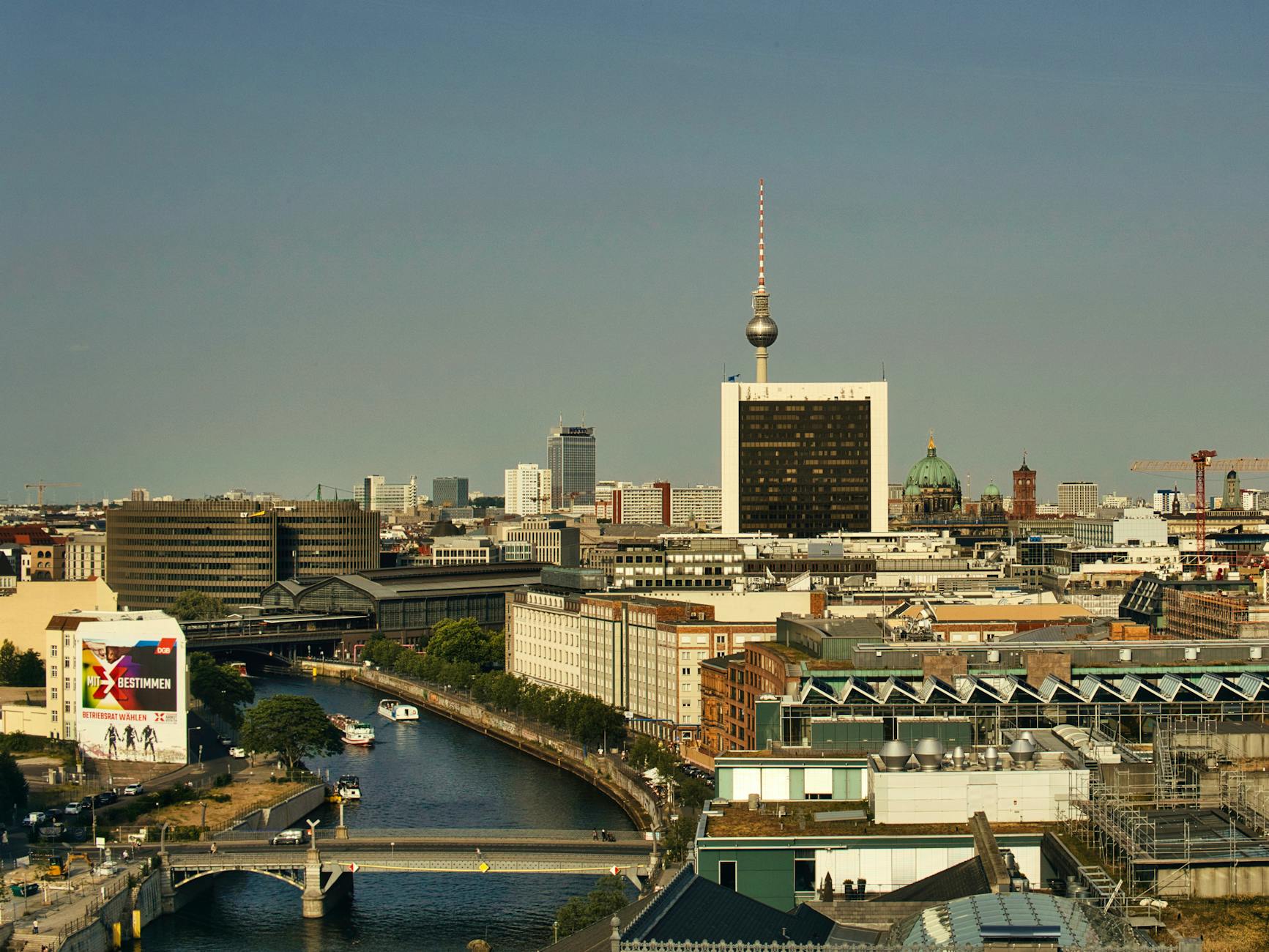
Here’s the unvarnished version: there is no single “best” time to visit Berlin, and anyone who tells you May or September and stops there is being lazy. Berlin is a city that rewards specificity. The traveller who wants to dance until sunrise wants a different month from the one who wants Christmas markets in the snow, who wants a different month again from the one chasing the city’s marathon, its film festival, its lakes, or its quietest, cheapest, most local-feeling weeks.
I’ve spent enough time in this city across all four seasons to know that Berlin in February feels like a different planet from Berlin in August, and both of them are worth your time for completely different reasons. This guide breaks the year down month by month with the climate numbers, the events that actually matter in 2026, the crowd levels you’ll meet on the U-Bahn, and the honest verdict on whether each month is right for you. I’ll also tell you when not to come — most travel writers won’t, and that’s how you end up sweating through 35°C in a hotel without air conditioning.

Quick answer: the best months in 30 seconds
If you only have time to skim: May and September are the safest bets for first-time visitors. Long days, mild weather, hotel prices that haven’t fully spiked, and the city’s calendar is rich without being overrun. June, July, and August are peak open-air Berlin — lakes, beer gardens, festivals, Pride — but also peak crowd and peak price. December is magical for Christmas markets and brutal for daylight (the sun sets before 4pm). January and November are the cheapest, quietest months and the right call if you’re here for museums, clubs, and cosy bars rather than postcard photography. February is Berlinale season — a niche but excellent reason to visit if you love film.
That’s the cheat sheet. Now the real guide, month by month.
January in Berlin: the cheapest month, and not in a bad way
Weather: Average high 4°C (39°F), average low -2°C (28°F). Around 8 hours of daylight. Forty millimetres of rain spread over roughly ten days. Snow happens but isn’t reliable — Berlin gets cold-grey more often than cold-white, and a hard -10°C snap a few times a winter is normal.
January is when the city exhales. The Christmas markets are packed up, the tourists have flown home, and hotel prices drop to their absolute lowest of the year — you can find clean centrally-located rooms for what you’d pay for a hostel bunk in July. The trade-off is that you’ll be inside a lot, and you’ll need to embrace that fact rather than fight it. This is a museum month, a coffee-shop month, a “linger over brunch for three hours” month. Berlin’s club scene is, if anything, sharper in January because the international crowd has thinned and the locals are back at home in their natural habitat.
What’s on: International Green Week mid-month (a giant food and agriculture fair at Messe Berlin — surprisingly fun if you like trying obscure regional German cheeses), Berlin Fashion Week in mid-January, and the winter edition of Lange Nacht der Museen usually lands at the end of the month or early February. The Long Night of Museums is one of Berlin’s great institutions — eighty-plus museums open until 2am with a single ticket.
Best for: budget travellers, museum lovers, club-only visitors, anyone who wants Berlin without the tourist gloss.
Skip if: you need sunshine to enjoy a trip, or you’ve never lived through a Northern European winter and aren’t prepared.
February: Berlinale and the city’s most concentrated film moment
Weather: Average high 6°C (43°F), average low -1°C (30°F). Ten hours of daylight. February is statistically Berlin’s driest month alongside April, but it’s also the one most likely to produce a sudden surprise snowfall.
If you love cinema, this is your month. The Berlinale runs February 12-22, 2026 (76th edition), and it is one of the three biggest film festivals in the world. Unlike Cannes, the Berlinale is genuinely open to the public — anyone can buy a ticket. Cinemas across the city screen 400+ films, you’ll spot directors at Berghain afterparties, and the whole city tilts slightly cinephile for ten days. Book accommodation early; it’s the only February week when hotel prices push toward summer levels.
Outside Berlinale week, February is similar to January — cold, grey, cheap, intimate. The light returns in noticeable increments (ten hours by month-end versus eight in early January), which does psychological work even if the temperature doesn’t move much. Karneval der Kulturen weekend isn’t until May, but you’ll sometimes catch smaller carnival-adjacent events.
Best for: film fans, couples seeking cosy winter atmosphere, anyone wanting to combine sightseeing with a festival.
Skip if: you want street life — the parks and beer gardens are dormant.
March: the in-between month with the most unpredictable weather
Weather: Average high 10°C (50°F), average low 2°C (36°F). Twelve hours of daylight by month-end. The classic Berlin March can swing from 18°C and sunny one afternoon to a wet snow flurry the next morning.
March is the resurrection month. Daylight pushes past twelve hours. The first café tables appear on the pavement outside Mitte cafés around the middle of the month. People in Friedrichshain swap their winter parkas for unconvincing spring jackets and shiver on principle. By March 21st (the spring equinox), Berlin’s mood has visibly shifted.
The catch: ITB Berlin, the world’s biggest travel-trade fair, takes over Messe Berlin in mid-March. Hotel prices spike sharply during ITB week. If your dates are flexible, avoid the middle two weeks. International Women’s Day on March 8th is a Berlin public holiday (shops closed). MaerzMusik, the city’s leading contemporary classical festival, runs late March. Easter falls early in 2026 (Good Friday April 3), so March is Easter-shopping-mad in its final days.
Best for: off-season explorers, anyone curious to see Berlin “wake up,” travellers willing to embrace weather volatility.
Skip if: you need consistent weather for an outdoor itinerary, or you’re trying to do Berlin on a budget during ITB week.
April: shoulder season starts, art opens, weather is a coin flip
Weather: Average high 15°C (59°F), average low 5°C (41°F). 13.5 hours of daylight by month-end. April can deliver a 25°C summer-preview week or wake you up to frost; locals call it April, April, der macht was er will (“April does what it wants”).
Easter weekend in 2026 falls April 3-6 — long weekend, slightly inflated prices around Good Friday and Easter Monday, and many supermarkets closed both bank holidays. Gallery Weekend Berlin usually opens the last weekend of April / first weekend of May, with 50+ contemporary galleries running synchronised openings. If you care about contemporary art, this is the single best weekend in the calendar — and we cover it in depth at our guide to Berlin Art Week and Gallery Weekend.
April is also the Berlin Half Marathon — a smaller but more atmospheric race than its September sibling, running through Mitte and Friedrichshain. Cherry blossoms (Kirschblüten) bloom along the former Berlin Wall border around mid-April; the most photographed stretch is the TV-Asahi Kirschblütenallee at Bornholmer Strasse. Read the full Berlin in spring guide for the season’s other unmissable moments.
Best for: art lovers, photographers chasing cherry blossom shots, travellers willing to layer.
Skip if: you need to lock in a specific outdoor plan — April’s weather will not co-operate.

May: the best all-rounder month, full stop
Weather: Average high 20°C (68°F), average low 9°C (48°F). Nearly 16 hours of daylight. The first reliably warm month — beer gardens fill up, lakes start to see swimmers, and the city’s outdoor character emerges in full.
If I had to pick one month for a first-time visitor with no specific event agenda, it would be May. The weather is mild enough for long days on foot and warm enough for evenings on a Spree-side terrace without a jacket. The calendar is enormous: May 1st (Tag der Arbeit) is Berlin’s most distinctive public holiday — Kreuzberg’s MyFest takes over Lausitzer Platz with day-long street parties, and the Revolutionary May Day demonstration follows in the evening (worth witnessing from a distance, not from inside).
Then comes the giant: Karneval der Kulturen runs May 22-25, 2026, with the famous parade through Kreuzberg on Sunday May 24. A four-day multicultural festival with floats, sound systems, food stalls from forty-plus communities, and a beautifully unpretentious atmosphere. Our Karneval der Kulturen guide has the full survival manual.
Best for: first-timers, photographers, foodies, festival-curious travellers, couples.
Skip if: nothing — May is hard to dislike. You’ll just want to book accommodation early; locals know it’s the best month too.
June: longest days, lakes open, Pride begins to build
Weather: Average high 23°C (73°F), average low 13°C (55°F). The summer solstice on June 21st gives Berlin almost 17 hours of daylight — sunrise around 4:45am, sunset close to 9:30pm, and a long blue twilight that stretches past 11.
June is when Berlin’s outdoor life hits its sweet spot. The lakes — Wannsee, Müggelsee, Schlachtensee, Krumme Lanke — start drawing real crowds. Beer gardens are open every night. Tempelhofer Feld is full of kite-flyers, BBQs, and roller-bladers chasing the long evenings. Fête de la Musique on June 21st turns the city into a free open-air music festival — hundreds of street-corner stages, no entry fees, everything from amateur jazz quartets in Kreuzberg backyards to electronic showcases at Mauerpark.
Crowds and prices: hotel rates are pushing peak by June, but not quite at July-August levels. The Berlin school holidays haven’t started yet, so families can travel without the September back-to-school surge. Our Berlin in summer guide covers the season’s full rhythm.
Best for: families travelling before school holidays, outdoor people, festival-curious travellers, photographers chasing golden-hour light.
Skip if: you wilt in heat — June can deliver early heatwaves with no relief in older buildings that lack air conditioning.
July: peak summer, Pride weekend, and the heat is real
Weather: Average high 25°C (77°F), average low 15°C (59°F). The hottest month, with the most rain (around 70mm), usually as dramatic thunderstorms. Heatwaves to 35°C+ now happen reliably most summers.
The biggest moment of the month is CSD Berlin (Christopher Street Day), July 24-25, 2026. For the first time, Berlin’s Pride is a two-day event under the motto “Haltung ist hot” (“Attitude is hot”). Around a million people pack the parade route from Spittelmarkt through Tiergarten to the Brandenburg Gate. The week leading up to CSD is filled with parties, panel discussions, and exhibitions across Schöneberg, Kreuzberg, and Friedrichshain. If you’re an LGBTQ+ traveller, this is the most spectacular week to come — but book accommodation months ahead. We’ve got the deeper context in our LGBTQ+ nightlife in Berlin guide.
Also in July: Lollapalooza Berlin (mid-to-late July at the Olympic Stadium), open-air cinema season runs nightly across Kreuzberg, Friedrichshain, and Volkspark Hasenheide, and the lakes are at peak utility. The downside is real: Berlin’s older apartments and many mid-range hotels do not have air conditioning. A hotel room booked sight unseen in July can deliver a 30°C sleepless night. Check listings explicitly for Klimaanlage (AC).
Best for: Pride travellers, festival-goers, lake people, heat-tolerant travellers, anyone who wants Berlin at its most extroverted.
Skip if: heat ruins you, you’re on a budget (it’s the most expensive month), or you hate crowds.
August: open-air culture peaks, the city briefly empties
Weather: Average high 25°C (77°F), average low 14°C (57°F). Slightly less rain than July, slightly cooler nights. Daylight drops noticeably — by month-end you’re losing about three minutes a day.
August has a peculiar double character. The locals are largely on holiday somewhere else (Berliners flee to the Baltic, the Balkans, or quieter parts of Brandenburg), leaving the city to international visitors and the genuine party heads who stayed behind. The result is that August Berlin feels emptier and looser than July. Open-air cinemas, lake days, and Sunday street parties peak. The summer edition of Lange Nacht der Museen lands in late August, and Musikfest Berlin begins at the end of the month at the Philharmonie. Read our Long Night of Museums guide for tactics on which museums to prioritise.
Practical note: August thunderstorms can be sudden and severe. A blue afternoon sky can produce a torrential 20-minute downpour by 6pm. Always have a packable rain layer.
Best for: club-and-culture travellers, photographers, anyone who finds peak-tourist crowds tiring.
Skip if: you wanted to see “locals doing local things” — many locals are away.
September: the second-best month (and many argue, the best)
Weather: Average high 20°C (68°F), average low 11°C (52°F). 12.5 hours of daylight. The first hints of Altweibersommer (“Indian summer”) — golden afternoons, crisp mornings, leaves starting to turn.
If May is for first-time visitors, September is for second-timers who already love Berlin and want it at its most flattering. The summer crowds have eased, prices come down from July peaks, and the weather is reliably pleasant without the August humidity. The single biggest event is the BMW Berlin Marathon on September 27, 2026 — one of the World Marathon Majors, with 50,000+ runners and a route past the Brandenburg Gate that has produced the men’s world record more times than any other course. Even if you’re not running, race-day morning is electric.
Berlin Art Week opens the month (early September) with gallery launches, art fairs (Positions, Berlin Masters), and museum late-nights. If you missed Gallery Weekend in April-May, this is your second chance. Our Berlin Art Week guide covers it in depth.
Best for: runners, art lovers, photographers, second-time visitors, couples, foodies.
Skip if: you’ve got a specific event in another month — September is good at everything but doesn’t have one signature party.
October: leaves turn, lights come on, German Unity Day
Weather: Average high 14°C (57°F), average low 6°C (43°F). About 10.5 hours of daylight, dropping fast. Clocks go back at the end of the month (October 25, 2026), so the second half of October already feels like winter is approaching.
October’s signature event is the Festival of Lights, running October 9-18, 2026 under the motto “Colours of Love.” For ten nights, Berlin’s landmarks — the Brandenburg Gate, the Berliner Dom, the TV Tower, the Berlin Cathedral, parts of the Spree — are wrapped in projection mapping and coloured installations. It’s free, accessible, easy to combine with dinner-and-walk evenings, and one of the best things to photograph in the city.
German Reunification Day on October 3 is a national public holiday with a big street festival around the Brandenburg Gate and along Strasse des 17. Juni. Shops are closed; museums are usually open. The leaves in Tiergarten, Volkspark Friedrichshain, and along the Landwehrkanal peak around the second week of October. Visit our Berlin in autumn guide for more on the season.
Best for: photographers, history travellers, light-art fans, couples seeking atmospheric evenings.
Skip if: you’re attached to long evenings — by late October, the sun sets around 5pm.
November: the cheapest, greyest, most honestly local month
Weather: Average high 8°C (46°F), average low 2°C (36°F). 8.5 hours of daylight. Statistically Berlin’s greyest month — the sun shines only about 21% of available daylight hours.
November is what Berliners call Schmuddelwetter — drizzle, low cloud, soggy leaves, the sky as a single shade of grey from dawn to dusk. It’s the month most tourists rightly avoid, and that’s exactly why some of us love it. Hotels are cheap. Restaurants take walk-ins. You can get a Sunday brunch table at famously busy spots like House of Small Wonder or Five Elephant without queueing. The clubs are filled with locals.
The Christmas markets open in the final week of November (most launch around November 23-24, 2026) — earlier than many travellers expect. Catching them in their opening days, before the December crowds arrive, is a quiet hack. Jazzfest Berlin runs early November at the Philharmonie. Our Christmas markets guide has the full breakdown of which to prioritise.
Best for: budget travellers, museum and culture-focused trips, people who like cosy bars and unhurried cities.
Skip if: you need sunshine, you have seasonal affective disorder, or you wanted Christmas-market full effect.
December: Christmas markets, NYE chaos, and the shortest days
Weather: Average high 4°C (39°F), average low -1°C (30°F). 7.8 hours of daylight on the solstice. Snow is possible but not guaranteed; the city is more often cold and wet than cold and white.
December is Berlin’s Christmas-market month, full stop. The city hosts 60+ markets, ranging from the polished and touristy (Gendarmenmarkt, Charlottenburg Palace) to the alternative and queer-friendly (Holy Shit Shopping at Kraftwerk, the rooftop market at Klunkerkranich). Most markets close by December 23-26; a handful run through New Year. Mulled wine (Glühwein) costs €4-6 plus a deposit (Pfand) on the cup.
New Year’s Eve (Silvester) in Berlin is its own beast. The official party at the Brandenburg Gate draws hundreds of thousands; fireworks erupt from balconies across every neighbourhood (cannabis legalisation didn’t change Berlin’s love of black-market pyrotechnics — the New Year’s air is acrid for hours). The clubs run 3-4 day parties. Hotel prices on December 30-January 1 jump 40-60% above mid-December baseline. Our New Year’s Eve guide has the full breakdown.
Best for: Christmas-market romantics, NYE party-seekers, anyone wanting cosy winter atmosphere.
Skip if: you can’t tolerate short, dark days, or you need to be in bed by midnight on December 31.

The “best month for you” decision matrix
Different travellers want different things. Here’s how I’d route you based on what you actually care about:
- First-time visitor: May or September. Mild weather, full calendar, manageable crowds.
- Budget traveller: November or early December. Cheapest hotels of the year; mid-week even cheaper.
- Family with kids: June. Long days, school still in session in most countries (smaller crowds), warm enough for parks and lakes.
- LGBTQ+ traveller: July for Pride, or September for the calmer Schöneberg scene.
- Clubber: any month — but August has the lightest crowds, January has the deepest local scene.
- Foodie: May or September — best beer-garden weather and street-food festivals.
- Art lover: late April/early May for Gallery Weekend, or September for Berlin Art Week.
- Photographer: October for autumn colour and the Festival of Lights, or April for cherry blossoms.
- History-focused traveller: any time, but November-February pairs naturally with reflective indoor experiences like the Stasi Museum and Topography of Terror.
- Couples seeking romance: May or December — beer gardens and Glühwein, both work.
- Marathon runner: late September (the Berlin Marathon is September 27, 2026).
- Film lover: February for Berlinale.
Climate and price reference table
| Month | Avg High / Low (°C) | Daylight | Crowd | Hotel Price Index* |
|---|---|---|---|---|
| January | 4 / -2 | 8h | Very low | 60 (cheapest) |
| February | 6 / -1 | 10h | Low (Berlinale spike) | 70 |
| March | 10 / 2 | 12h | Low-Medium | 75 (ITB spike) |
| April | 15 / 5 | 13.5h | Medium | 85 |
| May | 20 / 9 | 15h | Medium-High | 95 |
| June | 23 / 13 | 16.5h | High | 105 |
| July | 25 / 15 | 16h | Peak | 115 (priciest) |
| August | 25 / 14 | 14.5h | Peak | 110 |
| September | 20 / 11 | 12.5h | High | 95 |
| October | 14 / 6 | 10.5h | Medium | 85 |
| November | 8 / 2 | 8.5h | Low | 65 |
| December | 4 / -1 | 7.8h | Medium (markets) | 90 (NYE spike to 130) |
*Hotel Price Index is relative, with 100 = annual average. Useful for “is this month expensive?” not for exact pricing. For more on what Berlin actually costs, see how much does Berlin cost per day.
The months I’d suggest you actively avoid
Most guides won’t tell you this, so I will. The middle two weeks of March (ITB Berlin) and Berlin Fashion Week (mid-January and early July) push hotel prices up sharply without giving leisure travellers anything in return — these are trade fairs aimed at professionals, not visitors. The week of New Year’s Eve is glorious if you’re here for the parties; if you came for sightseeing, you’ll find half the museums closed for the holiday and prices 50% above December baseline. And any peak-summer week without air conditioning in your accommodation is going to be miserable — verify Klimaanlage before booking July or August.
Conversely, the underrated weeks: mid-September after the marathon, the first week of October before Festival of Lights crowds, and the first two weeks of November before the markets open. These three pockets give you Berlin at its most genuine.
Frequently asked questions
What is the cheapest month to visit Berlin?
January is statistically the cheapest, followed by November and early December (before the Christmas markets peak). Mid-week stays in any of these months drop another 15-25% off weekend rates.
Is Berlin worth visiting in winter?
Yes, with the right expectations. Winter Berlin is grey and dark, but it’s also when the city’s museum, club, and food culture is most accessible — fewer crowds, easier reservations, cheaper rooms. Pack warm layers and an open mind, and lean into cosy indoor culture rather than fighting the weather.
When are the Berlin Christmas markets open in 2026?
Most Berlin Christmas markets open the last week of November (around November 23-24, 2026) and close by December 23. A handful — Gendarmenmarkt, Charlottenburg Palace — run through New Year’s Eve.
What is the warmest month in Berlin?
July, with average highs around 25°C. Heatwaves to 35°C are now common most summers. August is essentially tied for second-warmest but with slightly cooler nights.
Is May or September better for Berlin?
Both are excellent. Choose May for longer daylight, beer-garden weather, Gallery Weekend, and Karneval der Kulturen. Choose September for the Berlin Marathon, Berlin Art Week, lighter crowds, and lower hotel prices. May tilts more festive; September tilts more atmospheric.
How many days do you need in Berlin?
Three days covers the headline sights. Five days lets you explore neighbourhoods properly. Seven days gives you time for day trips, museums, and Berlin’s slower-paced corners. See our dedicated guides for one day in Berlin, three days, five days, and seven days.
Does it snow in Berlin?
Yes, but inconsistently. December through February see snow most years, but Berlin gets cold-grey-wet weather more often than postcard-white snow. A handful of -10°C cold snaps each winter are normal.
Is Berlin crowded in summer?
Yes — July is the most crowded month, with the headline museums (Pergamon, DDR Museum, Topography of Terror) seeing long queues from late morning. Book skip-the-line tickets in advance, or visit major attractions before 10am. August feels less crowded only because Berliners themselves are on holiday.
What is the best month to visit Berlin for first-timers?
May. The weather is mild, the calendar is full without being overwhelming, the city is in its most extroverted mood, and you’ll catch Karneval der Kulturen at the end of the month.
The honest closing thought
Berlin is a city that doesn’t have an off-switch. There is no “wrong” month to visit — there’s only the month that matches the kind of trip you actually want. Pick what you care about — the calendar event, the weather window, the budget bracket, the crowd tolerance — and let that decide. Then dress for the weather, accept that the trains will sometimes be late, leave room in your itinerary to do nothing for an afternoon, and you’ll have a good time. For everything else you’ll need to plan, our Berlin practical travel tips hub has the rest of the puzzle.