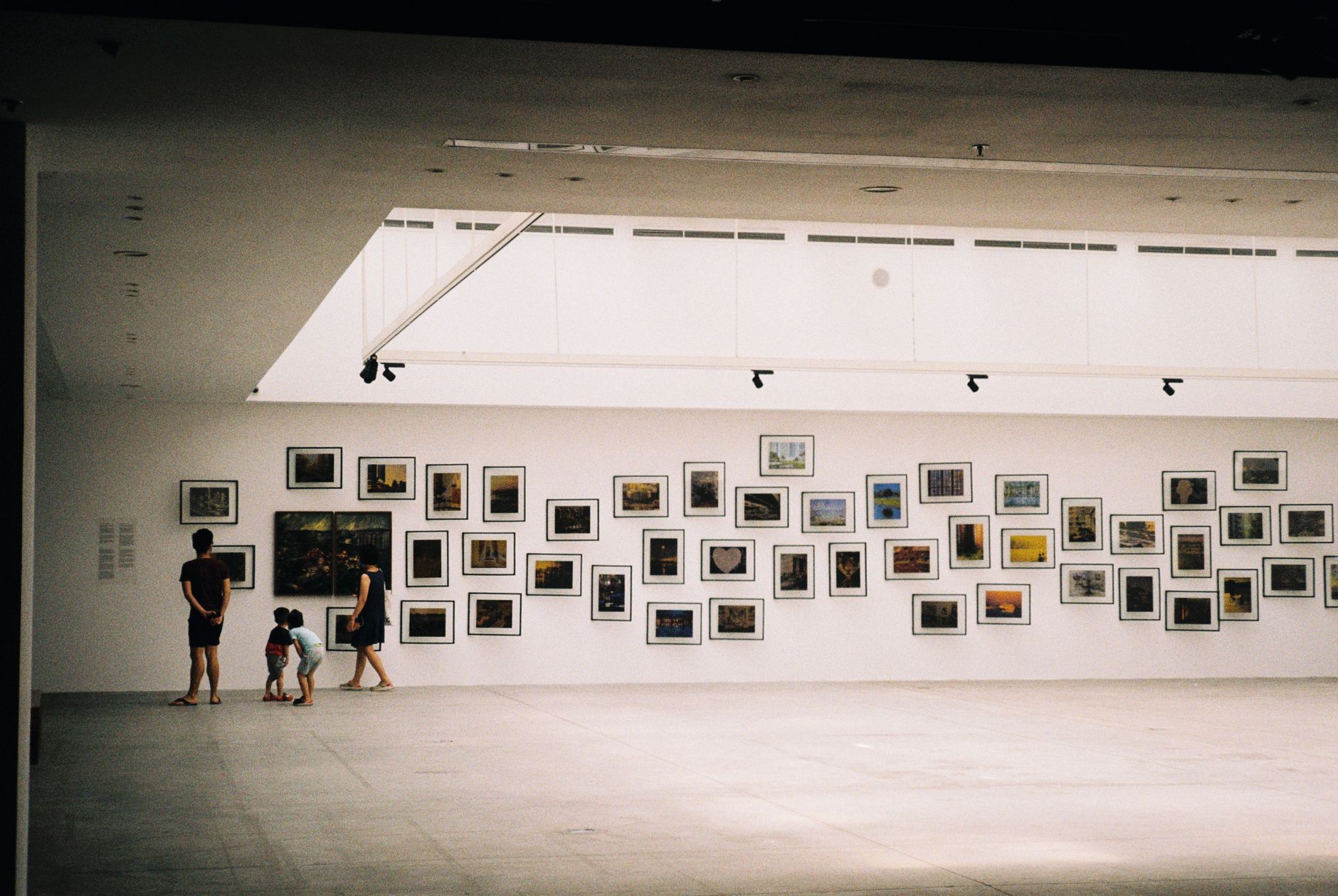
Berlin invented the Long Night of Museums. The first Lange Nacht der Museen took place here in 1997, when a group of museum directors decided to try a single evening of extended opening hours, special programming, and a shared ticket that worked across all venues. Twenty-nine years later, the format has been copied in more than 120 cities worldwide — Vienna, Paris, Amsterdam, New York, Buenos Aires — and the original Berlin edition has grown to about 75 participating museums, 750 events across a single night, and roughly 50,000 attendees. It’s one of the city’s best-organized cultural events, one of the rare nights when the entire museum world genuinely opens itself up, and the cheapest way to sample everything Berlin’s museum scene has to offer.
This guide covers the 2026 edition — date, ticket prices, what to prioritize, how to use the free shuttle bus network, and the strategic notes that distinguish first-time attendees from people who do this annually.
Long Night of Museums 2026 at a Glance
| Detail | 2026 |
|---|---|
| Date | Saturday, August 29, 2026 |
| Hours | 18:00–02:00 (8 hours) |
| Participating Museums | ~75 venues |
| Events | ~750 across the night |
| Standard Ticket | €23 |
| Reduced | €17 |
| Early-Bird (2-week window) | €15 / €12 reduced |
| Under-12s | Free |
| Free Shuttles | 4 routes included with ticket |
| Typical Attendance | ~50,000 visitors |
What Is the Long Night of Museums?
Lange Nacht der Museen is a single annual evening in late August when about 75 Berlin museums open simultaneously from 6 pm to 2 am. A single ticket — €23 standard, €17 reduced, free for under-12s — gives unlimited entry to every participating museum, plus access to a free shuttle bus network connecting them. The programming is much richer than ordinary museum opening hours: most venues offer special tours, talks, performances, concerts, DJ sets, and themed events designed specifically for the night.
The format works because it does two things ordinary museum visits don’t. First, it removes the financial calculation — if a single ticket covers everything, you’ll wander into museums you’d never have paid for individually, and most visitors find new favorites this way. Second, it changes the atmosphere completely. Museum after 10 pm with a DJ in the central hall is a different experience from the same museum at 11 am on a Tuesday. Many museums use the night to test more experimental programming.
Berlin Invented the Format in 1997
The first Long Night of Museums took place on January 31, 1997, with 18 participating museums. The idea was credited to Wolf Kühnelt of Kulturprojekte Berlin and Manfred Schmidt of the State Museums Berlin. They wanted to address a specific problem: Berlin’s museums had spectacular collections and dropping visitor numbers. The hypothesis was that the audience existed but the format didn’t — most working Berliners couldn’t visit museums during normal hours. A late-night format, with a single ticket and shuttle buses to remove the friction of moving between sites, might solve the problem.
The first edition drew tens of thousands. By the late 1990s, the format had been picked up by Bonn, Vienna, and Paris, and the international expansion accelerated through the 2000s. Today the Long Night of Museums is a fixture in cities across Europe, the Americas, and parts of Asia. The Berlin original remains the largest and most ambitious in terms of programming density.
Tickets, Prices, and Where to Buy
Tickets for the 2026 edition cost €23 standard / €17 reduced (students, seniors, disabled visitors). Under-12s are free. An early-bird window in the two weeks before the event (mid-August 2026 for the 2026 edition) reduces prices to €15 / €12 — well worth buying in advance if your plans are firm.
Where to buy: the official online ticket shop at langenachtdermuseen.berlin is the easiest option. Physical tickets are also sold at the visitBerlin Tourist Information offices (Humboldt Forum, Brandenburg Gate, Hauptbahnhof, BER Airport). On the night itself, you can buy tickets at the entrance of every participating museum and at the central Museum Island box office. There’s no significant advantage to waiting — same price at all locations, and online buying lets you skip lines.
The ticket includes one printed wristband (worn for the night) and a printed program booklet with maps, museum details, and the shuttle bus routes. The program is also available as a downloadable PDF online if you’d rather use a phone.
The Free Shuttle Bus Network
The included shuttle bus network is one of the event’s strongest features. Four routes — North, East, South, and West — connect outer-district museums with central Mitte and Kreuzberg hubs. Buses run continuously through the night at 15-30 minute frequencies. Routes are color-coded; bus drivers and on-vehicle attendants help with directions. The system is operated as a collaboration between BVG (Berlin’s public transport authority) and the Traditionsbus association, which uses vintage Berlin buses on the North and South routes — itself a small attraction.
Route strategy: the central Mitte museums (Pergamon, Neues, Bode, Alte Nationalgalerie, Altes Museum, Deutsches Historisches Museum) are walking distance from each other — don’t waste shuttle time moving between them. Use the shuttle buses for the outer venues: Stasi Museum (East), Tropical Islands isn’t on the route but the Treptower Park area is, the Wedding and Charlottenburg museums in the West, the Tempelhof and Neukölln venues in the South.
Best Museums to Prioritize for First-Time Visitors
Trying to do all 75 museums is the classic first-time mistake. Plan for 4-6 museums, with the shuttle and dinner time factored in. The smarter approach: pick a “must-see” anchor museum, a “should-see” second museum, and 2-3 “would-be-curious” smaller spaces. Here’s what I’d prioritize:
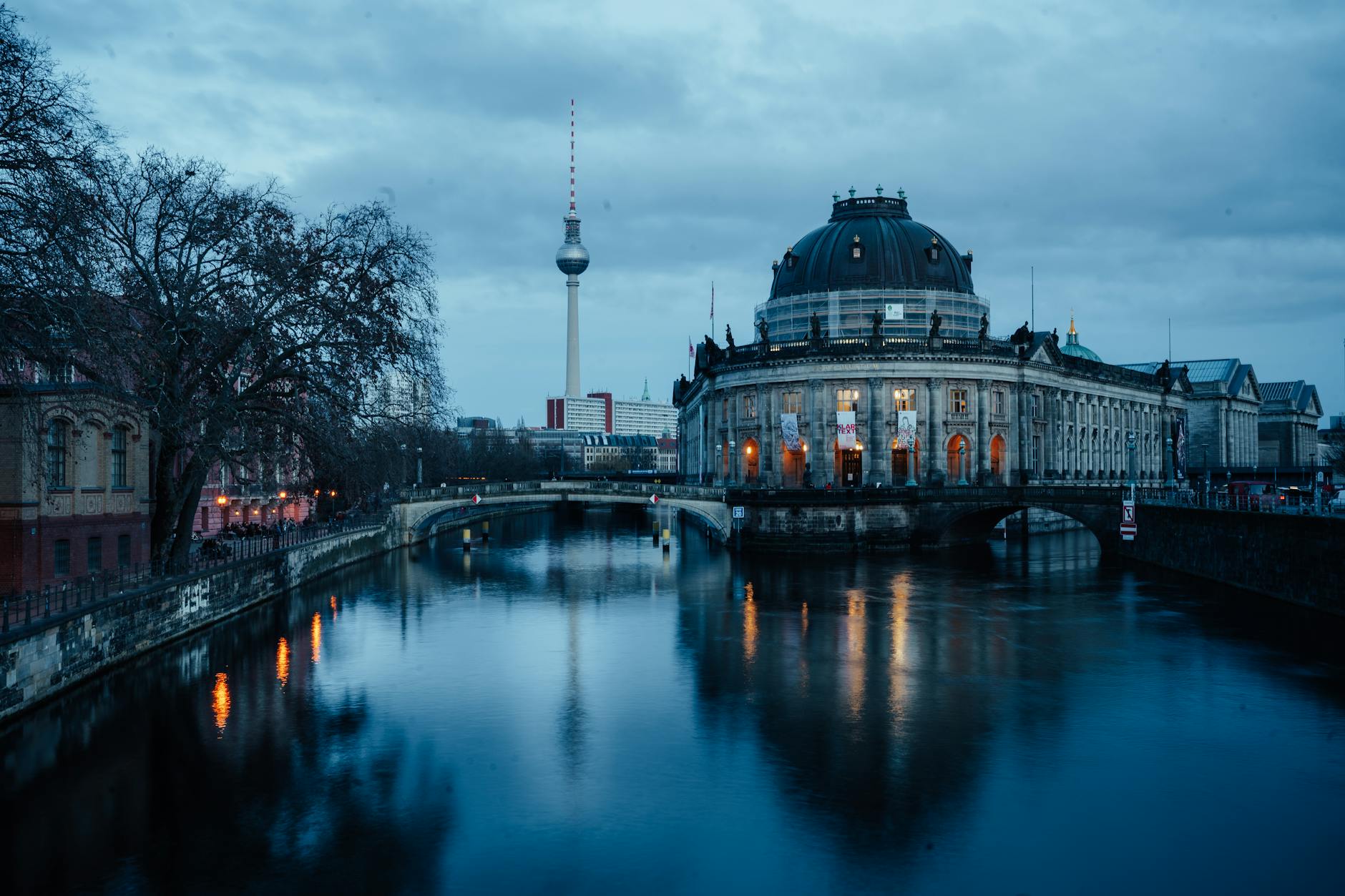
Pergamon and Museum Island anchors: The Pergamon (when its renovated sections are open — some galleries remain under restoration through 2026), Neues Museum, and Alte Nationalgalerie are the heavyweight collections. Queues here peak 7-10 pm; arrive after 10 pm for a better experience. The Museum Island concentration means you can visit two or three of these on a single walking circuit. Full details in our Museum Island guide.
Hamburger Bahnhof: Berlin’s leading contemporary art venue, the kind of space that benefits enormously from late-night atmosphere. The cavernous main hall takes on a different character after dark; the Friedrich Christian Flick Collection works tend to feel more intense at 11 pm than at 11 am. See our Hamburger Bahnhof guide.
DDR Museum: The interactive East German history museum is consistently a Long Night highlight — the immersive format works particularly well after dark, and the museum stays manageable in crowds because the experience is structured. See our DDR Museum guide.
Stasi Museum (Normannenstrasse): The original headquarters of the East German secret police, preserved largely as it was in 1989. The atmospheric value at night is significant — empty corridors of bureaucratic rooms, the kind of space that’s genuinely eerie outside daylight. Reachable via the East shuttle route.
Deutsches Historisches Museum: The Zeughaus on Unter den Linden — the long-form German history institution. Less famous internationally than Museum Island but consistently excellent special exhibitions, and the building itself (one of Berlin’s oldest, dating to 1730) is worth seeing.
Hidden Gems Worth the Detour
The Long Night is also the easiest time of year to visit smaller, less famous museums. Several are worth the shuttle trip:
Berlinische Galerie: Berlin-focused modern art museum in Kreuzberg, with strong photography and architecture archives. Smaller crowds than the central institutions. Worth combining with the Jewish Museum next door.
Computerspielemuseum (Computer Games Museum): Karl-Marx-Allee in Friedrichshain. A surprisingly serious museum of video game history, with playable installations from the 1970s onward. Hugely popular during Long Night — get there early.
Bröhan-Museum: Jugendstil, Art Deco, and Berlin Secession decorative arts in Charlottenburg. Small, well-curated, and the kind of museum you’d never pay €10 to visit individually but love when it’s included in a wider ticket.
Samurai Art Museum: The Peter Janssen collection of Japanese samurai artifacts in Charlottenburg — over 4,000 pieces. Genuinely interesting and almost no one visits during normal hours.
Trabi Museum: Small, niche, and entirely about the East German Trabant car. Located near Checkpoint Charlie. Long Night brings out a deeply enthusiastic crowd of GDR-history nerds.
Käthe-Kollwitz-Museum: The Berlin artist’s museum recently relocated; one of the most emotionally affecting museum experiences in the city for visitors interested in early-20th-century Berlin.
How to Beat the Crowds
The single most useful strategy: arrive at the famous museums after 10 pm. Lines at Pergamon, Neues, and Hamburger Bahnhof peak 7-10 pm when families and casual visitors are out. After 10 pm, the families head home and the museums fill with a different (smaller) crowd of more serious visitors. By midnight, several major museums are walkable without significant queues.
The opposite strategy works for the smaller museums: visit the niche spaces in the first two hours, when the crowd is still distributed across the famous venues. The Bröhan, the Samurai Museum, and the Computer Games Museum are at their best from 6-8 pm.
One more piece of practical advice: start with dinner. The standard schedule is to start at 6 pm and burn out by 11 pm; experienced attendees start with a substantial dinner from 5-7 pm and start their museum circuit at 7-8 pm, with a coffee break around midnight to push through until 2 am.
Three Sample Itineraries
The Classic Itinerary
Dinner at 6 pm in Mitte. 7:30 pm at Alte Nationalgalerie (start before peak). 9:00 pm walking to Deutsches Historisches Museum. 10:30 pm at Neues Museum (post-peak). 12:30 am at Pergamon if open sections are reasonable. End at a Mitte bar.
The Contemporary Itinerary
Dinner in Mitte. 7:30 pm at KW Institute. 9:00 pm at Hamburger Bahnhof. 11:00 pm at Berlinische Galerie. 12:30 am at the DDR Museum (post-peak). End at one of the techno clubs covered in our techno clubs guide.
The Quirky Itinerary
Dinner in Friedrichshain. 7:00 pm at Computerspielemuseum. 9:00 pm shuttle to the Stasi Museum (East route). 11:00 pm to the Samurai Art Museum or Bröhan (West shuttle). 1:00 am back to a Mitte café for coffee.
What to Eat, Drink, and Where to Rest
Most participating museums have on-site cafés or restaurants that stay open through the night, but quality varies. Some good bets for fuel: the café at the Hamburger Bahnhof, the bar at the KW Institute, the courtyard at the Berlinische Galerie. The Museum Island institutions have shared dining options that get crowded — avoid expecting a quiet meal there.
For pre- or post-museum meals, the area around Hackescher Markt has plenty of restaurants open late. Friedrichshain bars stay open through the night and connect easily to the Karl-Marx-Allee museum cluster. For coffee around midnight to push through the second half of the night, the Mitte chains (the Sankt Oberholz alumni network, Five Elephant, the Bonanza Coffee branches) are reliable. The August Long Night happens during one of the warmer Berlin weeks — outdoor seating is widely available.
Combining With a Berlin Weekend in Late August
Late August is one of the best weekends to visit Berlin — summer weather hasn’t broken, but the peak July/August tourist crush has eased. If you’re planning a weekend specifically around Long Night of Museums, schedule Friday for casual sightseeing, Saturday for the Long Night, and Sunday for recovery (we’d recommend Sunday at one of the city’s summer lakes if the weather is warm). The Berliner Festspiele autumn season also begins in late August — overlap with their programming is common.
Frequently Asked Questions
When is the Long Night of Museums Berlin 2026?
Saturday, August 29, 2026, from 6 pm to 2 am — eight hours of simultaneous extended museum opening across about 75 participating venues. The 2027 edition is expected in late August 2027 (typically the last Saturday).
How much does a ticket cost?
€23 standard, €17 reduced. Early-bird tickets (mid-August onwards) drop to €15 / €12. Under-12s are free. The ticket includes all participating museums and the free shuttle bus network. Buy online at langenachtdermuseen.berlin or at visitBerlin Tourist Info offices.
Does one ticket cover all museums?
Yes. A single ticket includes unlimited entry to all 75 participating museums for the full 6 pm-2 am window, plus unlimited use of the four shuttle bus routes connecting them. No additional charges at participating venues during the night.
How many museums participate?
About 75 museums and cultural institutions across Berlin, ranging from the major Museum Island heavyweights to small specialized collections. Approximately 750 individual events (tours, performances, talks, concerts) are programmed across the night.
Can I buy tickets on the night?
Yes. Tickets are sold at the entrance of every participating museum and at the Museum Island central box office throughout the night. Same prices as advance purchase. Online buying is more convenient and lets you skip queues at the first museum.
Are tours available in English?
Many museums offer English-language tours during the night, particularly the major institutions (Hamburger Bahnhof, Museum Island, DDR Museum). The full English programming is listed in the official program booklet. Some Long Night events (concerts, DJ sets, performances) are language-neutral.
Is there a spring edition?
No — Berlin runs one main Long Night of Museums each year, in late August. The format has been consolidated; older guides occasionally reference a January edition that no longer happens. The separate Long Night of Sciences (early June) is a different event covering universities and research institutes.
Final Word
The Long Night of Museums is one of the genuine bargains of Berlin’s cultural year. €23 (or €15 early-bird) for unlimited access to 75 museums, with free shuttle buses, special programming, and an atmosphere you don’t get during normal hours — it’s the best value-for-money cultural event in the city. If you’re already planning a late-August trip to Berlin, build your schedule around the Saturday night. If you’re flexible on dates, the weekend of August 29 is worth booking specifically. Either way, pick four to six museums to prioritize, plan a substantial dinner before you start, and remember the after-10-pm rule for the major institutions.