LGBTQ+ Nightlife in Berlin: Best Gay Bars, Clubs & Queer Spaces (2026)
From Schoneberg's historic gay village to Neukolln's queer underground — complete 2026 guide to Berlin's gay bars, lesbian spaces, fetish clubs, drag nights and CSD Pride.
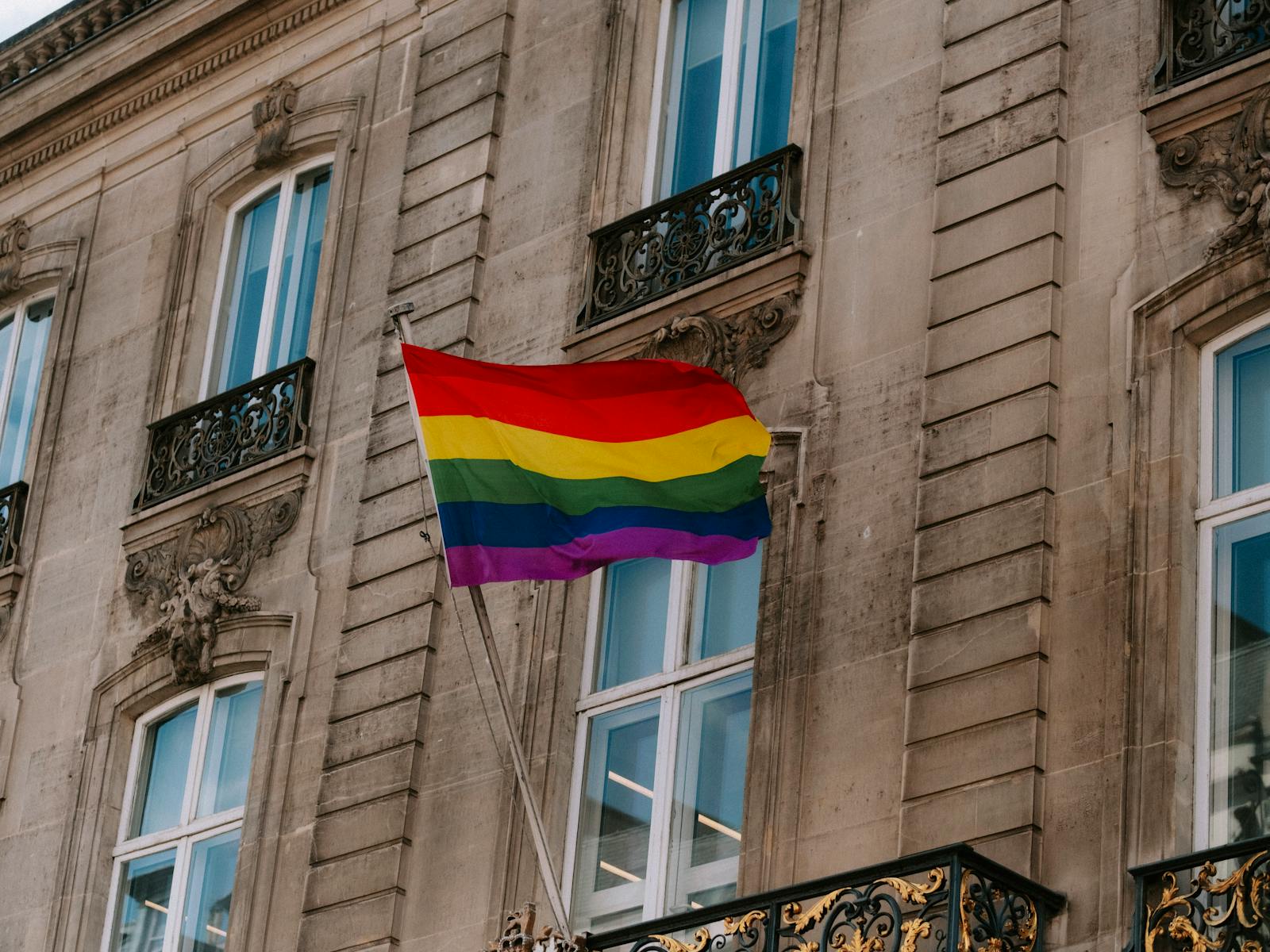
Berlin earned its reputation as the world’s queer capital twice — first in the 1920s, when Magnus Hirschfeld’s Institute for Sexual Science on the edge of the Tiergarten was the most radical centre of queer scholarship in the world and Marlene Dietrich was performing at the Eldorado cabaret on Motzstrasse, and then again after reunification in 1990, when the empty buildings of the former East filled up with queer collectives that built the techno scene from the bones of a divided city. LGBTQ+ nightlife in Berlin in 2026 is a layered, contested, joyful, and at moments melancholy thing — built on the ruins of two genocides, two decades of plague, and a long political fight for recognition, and continually rebuilt by each generation that arrives. This is a guide to what’s open now, what’s worth visiting, and what context makes the visit hit harder.
Quick orientation. Berlin’s queer scene is geographically split between two historic centres. Schöneberg, around Nollendorfplatz and Motzstrasse, is the traditional gay village — established in the 1920s, returned to life in the 1970s and 1980s, and home to most of the gay bars and leather clubs. Friedrichshain, Kreuzberg, and Neukölln are the newer queer territories, where the techno scene, the queer-leftist collectives, the FLINTA*-only spaces, and the younger international crowd cluster. Most visitors will want to see both. CSD Berlin Pride in 2026 is the weekend of July 24–25, with the open-air Lesbisch-Schwules Stadtfest in mid-June as the smaller, more residential warm-up.
Why Berlin Is the World’s Queer Capital
A short history because it changes what you see when you visit. Berlin in the 1920s was the most openly queer city in the world. Magnus Hirschfeld’s Institut für Sexualwissenschaft, founded in 1919 in a villa near Tiergarten, was the first scientific centre devoted to sexual and gender minorities — gathering the world’s largest archive of trans, intersex, and homosexual case histories, and providing some of the earliest gender-affirming care. Across the road, the Eldorado on Motzstrasse 15 (now an unremarkable supermarket — go and stand in front of it) was the most famous queer cabaret of the Weimar era. Marlene Dietrich, Anita Berber, Christopher Isherwood, and the dozen other artists who later defined the visual language of queer culture all worked or partied here.
The Nazis ended it. On May 6, 1933 — three months after Hitler took power — SS units stormed Hirschfeld’s institute and burned its library four days later, the most photographed of the Nazi book burnings. The Eldorado was closed and turned into an SA brownshirt office. Approximately 100,000 gay men were arrested under the expanded Paragraph 175 between 1933 and 1945; roughly 10,000 died in concentration camps. The Pink Triangle memorial at Nollendorfplatz, installed on the U-Bahn station wall in 1989, marks the loss.
Recovery was slow on both sides of the Wall. The West decriminalised gay sex partially in 1969 and fully in 1994 (the East slightly earlier in some respects). Berghain’s predecessor Ostgut emerged in 1998 as a queer techno party at Ostbahnhof; Berghain itself opened in 2004. Marriage equality came in 2017. The Self-Determination Act, allowing legal gender change without medical gatekeeping, took effect in November 2024. Today’s Berlin is one of the most openly queer cities in Europe — and the historical weight of why is everywhere.
Schöneberg — The Historic Gay Village
Nollendorfplatz is the entry point — the U-Bahn station is the one with the Pink Triangle memorial. From there you walk south down Motzstrasse and east into Fuggerstrasse and the surrounding streets. The whole village is a five-minute radius. The Schwules Museum, one block east on Lützowstrasse, is the world’s largest queer history museum and the right place to start an afternoon before the bars open.
- Hafen (Motzstrasse 19) — open since 1991, an institution, mixed-age gay crowd, friendly, classic.
- Tom’s Bar (Motzstrasse 19, next to Hafen) — leather upstairs, darkroom downstairs, a Schöneberg landmark since 1981.
- Heile Welt (Motzstrasse 5) — relaxed cocktail lounge, less cruisy, good first stop.
- Connection Club (Fuggerstrasse 33) — multiple floors, darkroom, fetish on certain nights. Verify current status before going.
- Prinzknecht (Fuggerstrasse 33) — leather/bear bar, Wednesday bargain nights, friendly.
- Mutschmanns (Martin-Luther-Strasse 19) — leather and fetish, strict door, darkroom.
- Woof — bear-themed neighbourhood bar.
- New Action — fetish, smaller, regulars-only feel.
- Rauschgold — drag and karaoke; Schöneberg’s queerest neighbourhood pub.
- Blond — cocktail and karaoke spot, lighter atmosphere.
- Café Berio, Romeo & Romeo, Andreas Kneipe — daytime cafés that double as evening hangouts.
Stand for a moment at Motzstrasse 15 before the night kicks off. There’s nothing there now — a supermarket on the ground floor, apartments above — but for a few years in the 1920s this was the Eldorado, and the most famous queer space in Europe. Marlene Dietrich performed here in tuxedo. The address is the silent ghost at the centre of the whole village.
Friedrichshain and the East — The Queer-Techno Continuum
The post-1989 scene is concentrated east of the river. The thread connecting most of it is the queer techno collective culture that grew out of Ostgut and Snax in the late 1990s. The flagship is Berghain (Am Wriezener Bahnhof) — gay-rooted, queer-centred, mixed in the crowd but unmistakably built on gay party DNA. Sundays at Berghain skew explicitly queer. Lab.oratory, the men-only gay sex club in the basement of the Berghain building, runs Saturday nights with two-hour entry windows, plus special events including Snax (Easter and winter) and Naked Thursdays during Pride. See our Berghain guide for the deep version.
Beyond Berghain, the Friedrichshain queer ecosystem includes ://about blank (Markgrafendamm 24c, queer-feminist collective, garden in summer), Mensch Meier (Storkower Strasse 121, queer collective with strict no-photo and awareness team), and the smaller venues at the RAW Gelände (see our RAW Gelände guide). The vibe is younger, more international, more politically engaged, and the dress code is darker and more techno than Schöneberg’s classic gay-bar uniform.
Monster Ronson’s Ichiban Karaoke (Warschauer Strasse 34) is the queer karaoke institution: two private rooms and a public stage, hosted by drag and trans performers, packed nightly. Tipsy Bear nearby runs drag nights with a younger Friedrichshain crowd.
Kreuzberg and Neukölln — The New Queer Frontier
The southern districts have become the queer epicentre for the under-thirty crowd. The bars below are mostly bar-with-DJ, not full clubs, and the dress code is markedly more casual than Schöneberg or KitKat.
- Möbel Olfe (Reichenberger Strasse 177, Kreuzberg) — a classic queer-friendly bar in a former furniture shop. Tuesday is the lesbian/FLINTA* night, Thursday is the gay night, the rest of the week is mixed. Cheap, packed, beloved.
- Roses (Oranienstrasse 187, Kreuzberg) — the legendary kitsch bar with pink fur on the walls, drag queens at the bar, and a fluorescent unicorn aesthetic that’s never wavered since the 1990s.
- Südblock (Admiralstrasse 1-2, Kreuzberg, beside Kottbusser Tor) — a community space and bar with a terrace, regular events, and one of the most politically active queer programming schedules in the city.
- SilverFuture (Weserstrasse 206, Neukölln) — the self-described bar “for kings, queens and criminal queers.” Small, attitude-rich, late, beloved.
- SchwuZ — note: left its Rollbergstrasse 26 home in 2025 after financial difficulties and now operates as a roving party series. Check listings before going. The relaunch night took place at the Metropol in May 2026.
- Ficken 3000 (Urbanstrasse 70, Kreuzberg) — small, divey, late-night gay bar.
Lesbian, FLINTA* and Women’s Spaces
The Berlin lesbian scene is smaller than the gay-male scene and is often missed by guides aimed primarily at gay travellers. Several specifically lesbian, FLINTA*, and women-centred spaces still operate.
- Begine (Potsdamer Strasse 139, Tiergarten) — the oldest women’s bar in Berlin, founded in 1986 by a women’s collective who squatted the building. Café, bar, performance space, library, women-only at certain times. The institutional anchor of the lesbian scene.
- Möbel Olfe Tuesdays — the longest-running weekly lesbian/FLINTA* night.
- L-Tunes — monthly travelling lesbian party at various venues.
- Girls Town — lesbian and FLINTA* parties, locations vary.
- Lovelite — regular FLINTA*-only events.
- The Lovelite events and various pop-up parties — check Instagram for current listings.
The German abbreviation FLINTA* covers women, lesbians, intersex, non-binary, trans, and agender people, and many Berlin queer spaces use it explicitly to demarcate inclusion. Cisgender men are generally welcome at most queer-friendly nights; FLINTA*-only nights specifically exclude them, and the request should be respected.
Fetish, Leather, and Cruising
Berlin’s fetish scene is unusually visible by international standards. Lab.oratory at Berghain is the best-known cruising venue, with two-hour Saturday entry windows and themed nights (Naked Thursdays during Pride, Snax at Easter and winter). Mutschmanns in Schöneberg and New Action are smaller leather/fetish bars. KitKatClub (Köpenicker Strasse 76, Mitte) is the famous sex-positive club with a strict fetish dress code on most nights — leather, latex, harnesses, lingerie, or nudity all welcome; jeans and t-shirts will be refused at the door. Cash only.
Cruising in Tiergarten — specifically the area south of the Victory Column — is a long-established gay outdoor cruising spot, especially summer evenings. Discretion and consent culture apply as everywhere.
Drag and Cabaret
The lineage from Eldorado runs straight through to 2026. Berlin’s drag and cabaret scene is large and varied: Monster Ronson’s drag karaoke is the most accessible entry point. Tipsy Bear in Friedrichshain runs younger drag nights. Rauschgold in Schöneberg has a long-running drag tradition. House of Yoshi stages bigger shows in rotating venues. BKA Theater (Mehringdamm 34, Kreuzberg) runs cabaret and drag programming on a smaller proscenium stage. The Tipsy Bear / Theater im Keller / Hot Hot Heat circuit is the place to follow the contemporary scene.
Berlin’s Queer Calendar 2026
- Easter weekend — Snax at Lab.oratory plus Hustlaball-adjacent events. Berghain’s queer programming peaks.
- Whitsun (Pfingsten) — the leather weekend; Mutschmanns and Connection programme accordingly.
- Bear Week Berlin — early summer, exact dates rotate.
- Lesbisch-Schwules Stadtfest — mid-June, the open-air street festival on Motzstrasse and Fuggerstrasse the weekend before CSD. The friendlier, more residential warm-up.
- CSD Berlin / Berlin Pride 2026 — July 24–25, motto “Haltung ist hot” (Attitude is hot). Brandenburg Gate Democracy Night Friday, parade Saturday from KaDeWe to Brandenburg Gate.
- Folsom Europe 2026 — September 10–13. Friday/Saturday street fair on Fuggerstrasse plus official parties (ADAM, PIG, Bear Dance, Testosterone, Animalz).
- Hustlaball 2026 — October 15–18, fetish-leaning international party weekend.
- WHOLE Festival — queer summer rave festival outside Berlin.
- Monthly: PiepShow at KitKat, Pornceptual, Buttons, Cocktail d’Amore — long-running queer parties on rotation.
Practical Tips for Queer Nightlife in Berlin
- Drinking age 16 for beer/wine, 18 for spirits. No legal closing time on clubs or bars.
- Cash mandatory at most bars and many clubs. Berghain accepts cards since September 2025; KitKat is still cash-only.
- No-photo policy at most serious clubs — phone cameras are stickered at the door. See our club etiquette guide.
- Awareness teams at most queer clubs and collectives. Approach them with any issue.
- Indoor smoking still legal in many Berlin bars and clubs.
- U-Bahn and S-Bahn run 24h Friday and Saturday overnight. See our night transportation guide.
- Where to stay: Schöneberg (Axel Hotel, Pink Pillow Collection hotels) for the historic gay village, Kreuzberg for the younger queer scene. See our nightlife accommodation guide.
- Tipping: round up or 5–10%. €1 per drink to the bartender is normal.
- Public displays of affection are normal and safe in central Berlin.
The Goldelse is not incidental to any of this. Berlin’s longest-running LGBTQ+ magazine takes its name from the monument at the Großer Stern, and the avenue running east from it is where the Christopher Street Day parade ends up every summer. Our Victory Column guide covers how a Prussian war memorial ended up as that kind of symbol.
If you want the history behind the scene as well as the bars, spend a daytime hour around Nollendorfplatz before you go out. Isherwood’s lodgings, the site of the Eldorado and the pink granite plaque for the men and women persecuted under the Nazis are all within five minutes of each other, and Motzstraße’s bars are the oldest continuous thread of queer nightlife in the city. Our Schöneberg guide walks the district.
Frequently Asked Questions
What are the best gay bars in Schöneberg?
Hafen, Tom’s Bar, Heile Welt, Prinzknecht, and Mutschmanns are the institutions. The whole strip on Motzstrasse and Fuggerstrasse is walkable in twenty minutes.
Where do lesbians go out in Berlin?
Begine (the oldest women’s bar), Möbel Olfe on Tuesdays (the longest-running weekly FLINTA* night), SilverFuture in Neukölln, plus monthly travelling parties L-Tunes and Girls Town. Lovelite hosts FLINTA*-only events.
What is the gay club scene like in Berlin?
Sex-positive, techno-heavy, marathon-weekend culture. Berghain is the centre but the scene includes Lab.oratory, KitKat, ://about blank, Mensch Meier, plus the smaller Schöneberg gay-village circuit. Strong consent culture, awareness teams, and no-photo policies at the major venues.
Is Berlin LGBTQ+ friendly?
Yes, broadly. Marriage equality since 2017, the Self-Determination Act for trans people since 2024, visible queer presence in most central neighbourhoods, large CSD parade each July, dozens of dedicated venues. Antisemitic and racist incidents have risen in recent years and the queer community has been vocal about coalition with other minorities — Berlin’s queer politics are explicitly intersectional.
When is Pride Berlin 2026?
CSD Berlin Pride takes place July 24–25, 2026, with the main parade Saturday from KaDeWe to the Brandenburg Gate. The Lesbisch-Schwules Stadtfest open-air street festival in Schöneberg takes place mid-June.
Is Berghain a gay club?
Berghain has its roots in Berlin’s gay party scene (Ostgut, Snax) and remains a queer-centred space with a strong gay presence, particularly on Sundays. The crowd is mixed but the cultural DNA is queer. The connected Lab.oratory in the basement is men-only gay.
A One-Night Sampler Itinerary
If you only have one queer night in Berlin and want to feel the historic and contemporary scenes both, this is the route I’d take.
- 17:00 — Schwules Museum (Lützowstrasse 73, Schöneberg). Two hours in the world’s largest queer history museum. Permanent exhibition plus rotating shows.
- 19:30 — Eldorado site (Motzstrasse 15). Stand in front of the supermarket for five minutes. Read the small plaque if there’s one. Walk one block to Hafen.
- 20:00 — Hafen (Motzstrasse 19). Beer at the bar. Easy conversation. Older clientele.
- 21:30 — Tom’s Bar or Prinzknecht (same block). Leather-adjacent atmosphere. Slightly cruisier.
- 23:00 — U-Bahn to Kottbusser Tor or Schlesisches Tor (Kreuzberg). Stop into Möbel Olfe (Reichenberger Strasse 177) or Roses (Oranienstrasse 187) for a beer.
- 00:30 — Pre-club bar in Kreuzberg or Friedrichshain. Würgeengel or Süß war Gestern.
- 02:30 — Club. Sunday morning Berghain if you’ve prepared and want to brave the door. Otherwise, Mensch Meier for the queer collective vibe, ://about blank for the leftist-feminist garden, or KitKat if you’ve packed fetish gear. See our techno clubs guide.
- Dawn — Sunday morning brunch. SilverFuture in Neukölln is a beloved post-club hang. Or Monster Ronson’s for karaoke.
Schwules Museum and the History Stops
For travellers who want to engage with the historical layer rather than just party, four sites are essential. Schwules Museum (Lützowstrasse 73) is the institutional anchor of queer history in Berlin — temporary exhibitions, a permanent collection, a research library, and one of the most important queer archives in the world. The Eldorado site at Motzstrasse 15 (now a supermarket, but the upper floors still bear the building’s original façade). The Pink Triangle Memorial at U-Bahn Nollendorfplatz, mounted on the station wall in 1989 — the first major German monument to gay victims of Nazi persecution. And the Memorial to the Homosexuals Persecuted under the National Socialist Regime (Tiergarten, opposite the Holocaust Memorial), designed by Michael Elmgreen and Ingar Dragset and unveiled in 2008 — a concrete cube with a small window showing a looped video of same-sex couples kissing. The four together make a half-day historical walk that adds significant weight to the night you go on to spend at the bars.
The Hirschfeld Institute site — Beethovenstrasse 3 at the edge of the Tiergarten — is now part of the Haus der Kulturen der Welt complex. A small plaque marks where the institute stood. Worth a five-minute pilgrimage.
Continuing the Story
Three companion reads. Berghain for the deep dive on the most famous queer-rooted club. Best techno clubs for the wider scene. Club etiquette for the unwritten rules. For first-timers, the nightlife beginner’s guide covers the practical groundwork. And for the historical context that makes all of this hit harder, our Jewish history and Nazi history guides cover the 1920s-to-1945 layer of the Schöneberg story.
If you’re queer, you’ll find Berlin one of the most welcoming cities in the world. If you’re an ally, you’ll find a scene that’s generous to anyone who arrives in good faith. Either way: come for CSD, stay for the regular Tuesday night at Möbel Olfe.