Berlin in December is colder than most travelers expect and darker than the photos suggest — and that’s exactly the point. From late November through New Year’s Eve, the city throws open more than eighty Christmas markets, ranging from the postcard-perfect set piece at Gendarmenmarkt to scrappy neighborhood gatherings where the Glühwein is better and the crowd is local. After eight winters here, I can tell you that the difference between a great Christmas market trip and a disappointing one comes down to knowing which markets to prioritize, when to go, and how to dress for an evening of standing in single-digit temperatures with a mug of something hot in your hands.
This guide covers the markets worth crossing town for in 2026, plus the practical details that determine whether you have a magical evening or a miserable one — dates, opening hours, entry fees (yes, some now charge), and which neighborhoods you can chain together for a multi-market walking route.
Berlin Christmas Markets 2026 — Key Dates at a Glance
Most major markets open in the final week of November and run through 22-23 December. A smaller group continues through New Year. Here’s the at-a-glance breakdown for 2026:
| Market | 2026 Dates | Hours | Entry | Best For |
|---|---|---|---|---|
| WeihnachtsZauber Gendarmenmarkt | 23 Nov – 31 Dec | 11:00–22:00 | €2 (free before 14:00 weekdays) | Postcard-perfect, artisan crafts |
| Charlottenburg Palace | 23 Nov – 26 Dec | 14:00–22:00 | Free | Romantic setting, baroque backdrop |
| Alexanderplatz | 23 Nov – 26 Dec | 10:00–22:00 | Free | Big rides, central location |
| Spandau Old Town | 23 Nov – 23 Dec | 11:00–20:00 | Free | Largest, most traditional |
| RAW Holymarkt | 27 Nov – 22 Dec | 15:00–23:00 | Free | Alternative, vegan options |
| Lucia at Kulturbrauerei | 23 Nov – 22 Dec | 15:00–22:00 | Free | Nordic theme, artisan focus |
| Rote Rathaus / TV Tower | 23 Nov – 26 Dec | 11:00–22:00 | Free | Family-friendly, ice rink |
| Schloss Bellevue (Winterwelt Potsdamer Pl.) | 30 Oct – 4 Jan | 10:00–22:00 | Free entry | Longest run, toboggan run |
WeihnachtsZauber Gendarmenmarkt — The Iconic One
If you only visit one Berlin Christmas market, this is the one most people choose, and it deserves the reputation — with caveats. Set on Gendarmenmarkt square between the matching French and German cathedrals, with the Konzerthaus as a backdrop, the market is genuinely spectacular at night. The artisan curation is the best in Berlin: hand-blown glass ornaments, traditional Erzgebirge woodwork, hand-knitted alpaca, and serious gourmet food stalls rather than the usual sausage-and-fries fare.
The catch is the €2 entry fee (technically a “donation” but enforced at the gate) and the crowds, which on December weekends can make movement difficult. The fee is waived before 14:00 on weekdays — go then if you can. The market is closed on 24 December and reopens for a special New Year’s edition on 27-31 December that includes a paid New Year’s Eve party.
Best Glühwein: the small stall at the southern corner near the German cathedral sells a hot pear cider that’s better than the standard mulled wine. Best food: the racletteflammkuchen at the northern row. The collectible boot mugs (€5 deposit, returnable) are some of the nicest in the city.
Charlottenburg Palace — The Romantic One
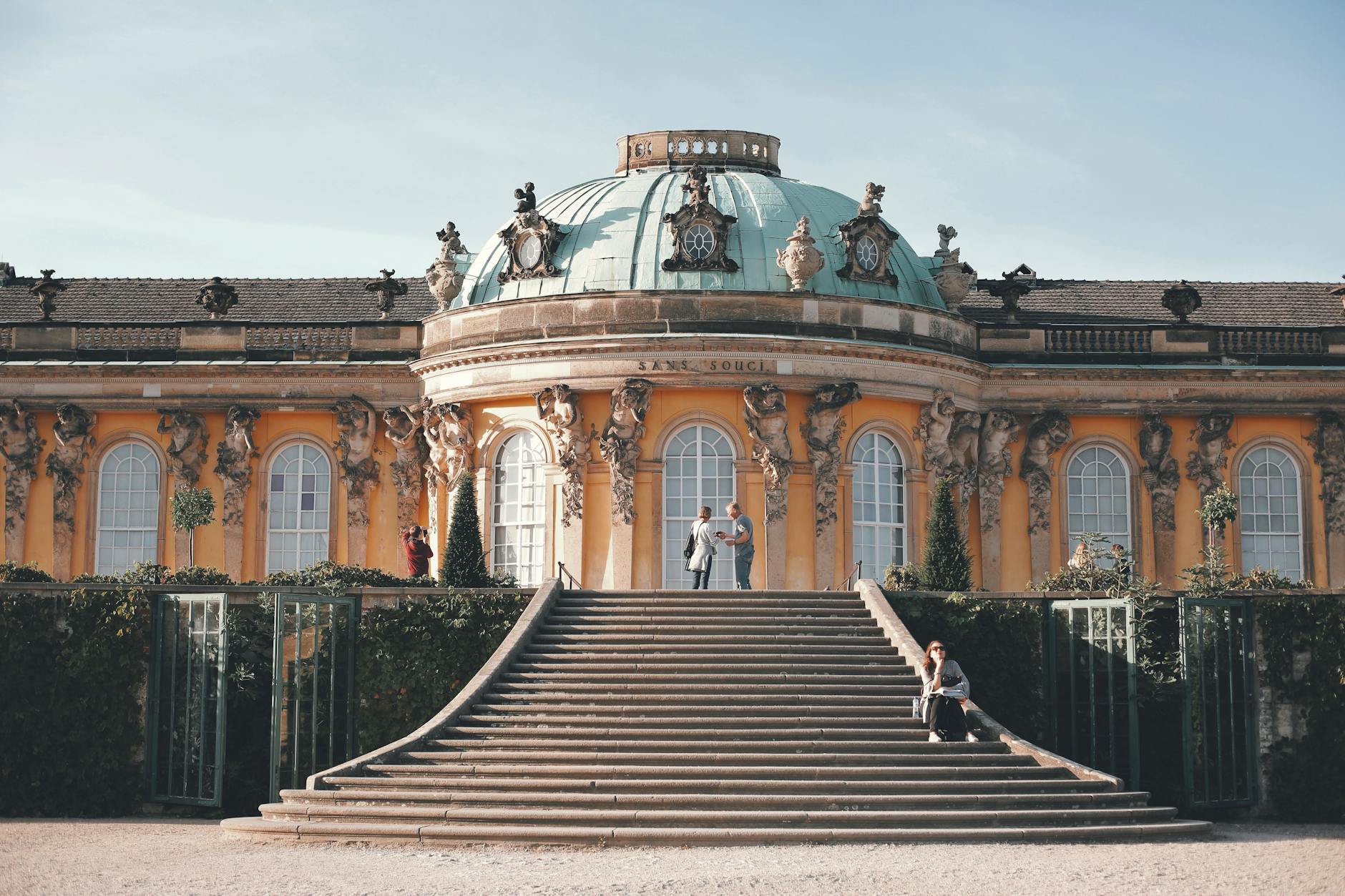
The market in front of Charlottenburg Palace is, in my opinion, the most beautiful in Berlin once it’s dark. The baroque palace lit in gold, the hundreds of wooden stalls arranged across the forecourt, the smell of roasted almonds and Glühwein, and — if you’re lucky — light snow falling. It’s a stage set, and yet it never feels gimmicky.
The market doesn’t open until 14:00, which puts evening visitors in the magic golden-hour window from about 16:00 (sunset is around 15:55 in late December). Crafts skew traditional — wooden toys, candles, embroidered textiles. Food is solid rather than exceptional. Pair the market with a quick tour of the palace itself or with the Bröhan Museum across the street, both worth seeing.
Getting there: U7 to Richard-Wagner-Platz, then a ten-minute walk, or bus M45 directly to Schloss Charlottenburg. The walk back to public transit gets cold — wear better layers than you think you need.
Spandau Old Town — The Traditional One
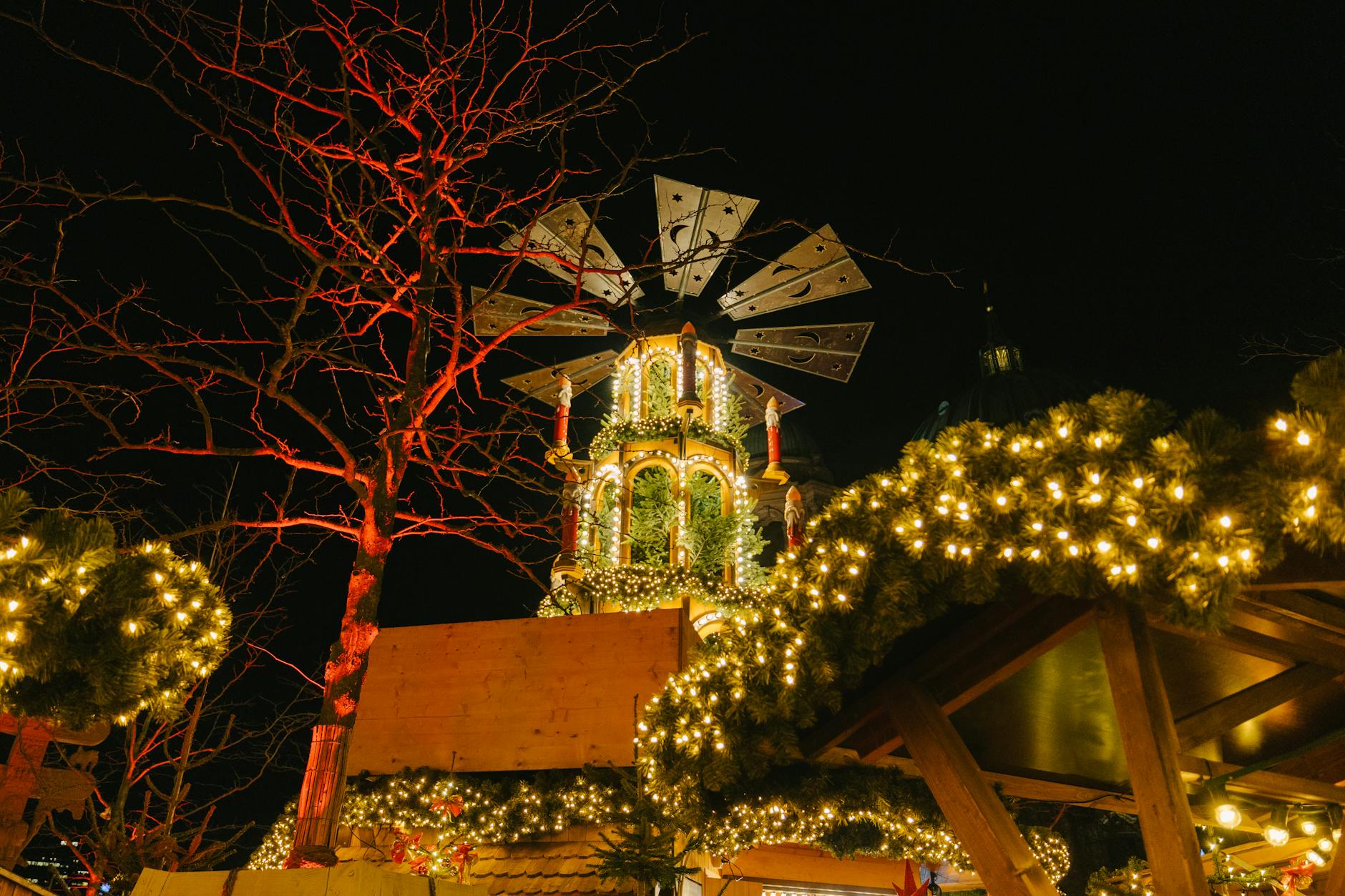
Spandau’s Christmas market is the largest in Berlin and one of the oldest in continuous operation. It sprawls across multiple cobblestone squares in the medieval Old Town, with over 250 stalls. Unlike many Berlin markets, this one feels like a Christmas market your German grandmother might recognize — heavy on traditional crafts, regional sausages, and the kind of wooden Christmas pyramids that have been made in the Erzgebirge mountains for centuries.
The crowd skews older and more local than the central markets. There’s a medieval-themed section with costumed vendors and mead by the fire pit. The market is also one of the easiest to combine with sightseeing — Spandau Citadel is a fifteen-minute walk away and worth a visit if you have a half-day. Take U7 directly to Altstadt Spandau, about thirty minutes from central Berlin.
Alexanderplatz — The Big and Loud One
The Alexanderplatz market is the city’s most central and the easiest to find — you essentially walk out of the U-Bahn into it. It’s also the most carnival-like, with a Ferris wheel, multiple fairground rides, and a huge ice slide. The crafts are minimal and the food is standard, but the atmosphere is genuinely festive, and if you’re traveling with kids who care about lights and rides, this is the market to prioritize. Read more about family-friendly Berlin attractions for what to combine with the market.
The adjacent market at Rotes Rathaus, just a five-minute walk away, has an ice skating rink (skate rental about €5), more food options, and a slightly mellower vibe. Doing both together makes a full evening.
RAW Holymarkt — The Alternative One
If the traditional markets feel too Hallmark-card for your taste, head to the RAW Gelände in Friedrichshain. The Holymarkt occupies the courtyards of the former railway repair complex, and its aesthetic is exactly what you’d expect — graffiti walls, fire barrels for warmth, food trucks instead of stalls, and a soundtrack that ranges from minimal techno to bass-heavy reggae depending on the night.
The crafts are mostly young Berlin designers selling printed t-shirts, handmade jewelry, and zines. Food is heavily vegan and vegetarian — wonderful vegan Glühwein at the Holyfields stall, mushroom Käsespätzle, and Korean-German fusion. The market opens at 15:00 and runs late, so it pairs naturally with an evening at one of the area’s bars or clubs. See our techno club guide for nearby options.
Lucia Christmas Market at Kulturbrauerei — The Nordic One
Tucked into the courtyards of the old Schultheiss brewery in Prenzlauer Berg, the Lucia market takes its name from the Swedish festival of light and leans hard into Scandinavian aesthetics. Wooden cabins, Sami food stalls (try the reindeer meatballs), Finnish saunas in the courtyard, and traditional Nordic crafts give the market a distinct identity that the bigger central markets can’t match.
It’s smaller than the major markets — you can walk the whole thing in twenty minutes — which means crowds are manageable even on weekend evenings. The Glögg (Swedish mulled wine with cardamom and almonds) is a worthwhile change from standard Glühwein. The Kulturbrauerei complex itself, a former brewery turned cultural center, also houses a free GDR museum that’s open during market hours.
Winterwelt am Potsdamer Platz — The Longest-Running One
Not technically a traditional Christmas market — more of a winter festival — but worth knowing about because it runs from late October all the way through early January, well outside the standard Christmas market window. The centerpiece is a 12-meter toboggan run, plus an ice skating rink, curling lanes, and a more limited selection of food stalls.
If you’re visiting Berlin in early December (when most Christmas markets haven’t opened yet) or in the first week of January (when they’ve all closed), Winterwelt is your only real option for that winter market atmosphere. The toboggan run is genuinely fun, especially after a Glühwein or two — but the queue can be long on weekends.
What to Eat and Drink at Berlin Christmas Markets
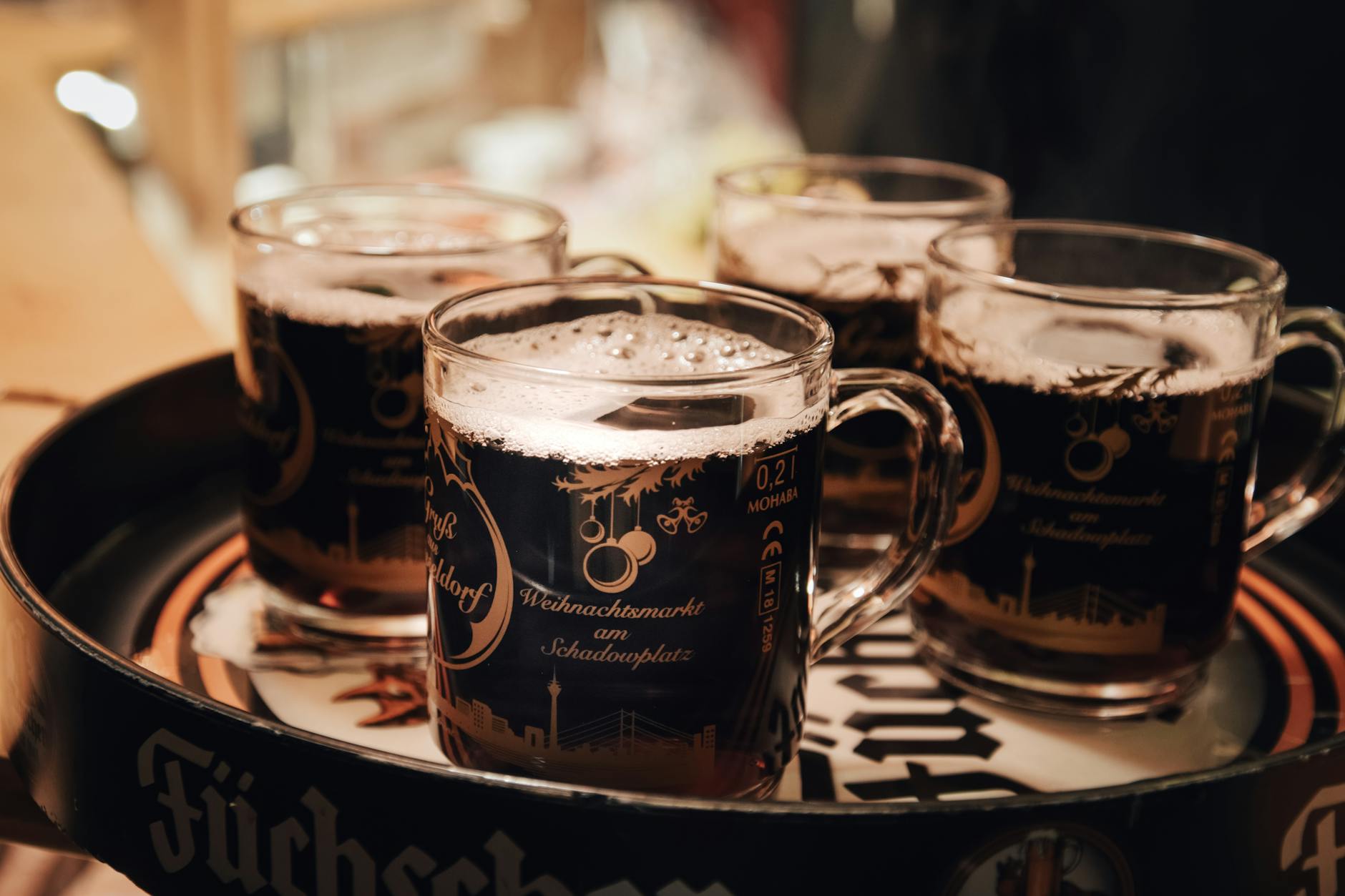
Glühwein (mulled wine, served hot in a collectible mug with a returnable €3-5 deposit) is the default beverage, but the variations are worth exploring. White Glühwein, increasingly common, is made with Riesling and tastes lighter and less sweet. Feuerzangenbowle is mulled wine with a rum-soaked sugar loaf set on fire above the pot — theatrical and significantly stronger. Kinderpunsch is a hot fruit punch without alcohol, perfect for kids and for the cold-but-not-drinking visitor.
For food, the essentials are Bratwurst (better at smaller markets than the big tourist ones), Kartoffelpuffer (potato pancakes with applesauce), Flammkuchen (Alsatian flatbread with crème fraîche and onions — outstanding when made fresh), and gebrannte Mandeln (caramelized almonds, the smell that defines a Christmas market). Stollen, the dense fruitcake-like Christmas bread, is best bought from the Dresden Stollen stalls when you can find them. For more on what to eat in Berlin year-round, see our Berlin food guide.
Shopping vs. Atmosphere — What to Actually Buy
Most Christmas market visitors arrive with a vague intention to buy something and leave with another mug they didn’t mean to keep the deposit on. If you’re treating the markets as serious shopping rather than just an evening out, a few things stand out as genuinely worth bringing home. Wooden Erzgebirge ornaments — particularly the hand-carved nutcrackers and smoking figures — are objects you’ll still own in twenty years. The smaller traditional stalls at Spandau, Charlottenburg, and Gendarmenmarkt carry the real ones; the bigger central markets often stock cheaper factory-made versions that look similar but won’t survive the next decade. Real pieces have hand-painted detail, balanced weight, and a small maker’s mark on the base.
Beeswax candles from the smaller artisan stalls are another keeper — heavier and more fragrant than supermarket candles, and reasonable at €4-8 each. Hand-knitted alpaca and wool items show up at most markets but quality varies wildly; check the seams and ask where the wool comes from. Lebkuchen (gingerbread) sealed in tins makes a transportable gift that survives the flight home. Avoid the mass-produced “Berlin Christmas” merchandise — branded mugs, ornament-printed dishtowels, novelty hats. Most of it is identical to what’s at every airport gift shop in Germany.
Markets to Skip and Common Mistakes
A few smaller neighborhood markets get heavy promotion but don’t reward a special trip. The market at Schloss Köpenick, while beautifully located, is small and infrequent — fine if you’re already in the area, but not worth the forty-minute S-Bahn ride. Similarly, the pop-up market at Sony Center is essentially a tourist trap that exists because there’s foot traffic, not because the curation is interesting. The Christmas Garden at Botanical Garden Berlin is a separate paid light installation, not a Christmas market — beautiful but with completely different programming and a €25+ ticket.
The most common mistake visitors make is trying to do every famous market in one trip. Three or four markets across multiple evenings, paced with proper meals and warm breaks indoors, will produce better memories than seven markets in a frantic three-day sprint. The second-most-common mistake is not budgeting for the small stuff — a Glühwein, a sausage, and a small craft item at every market adds up to €25-40 per person per evening. Set expectations and a budget before you start.
When to Go and What to Wear
The markets are magical at night but crowded — really crowded — on December weekends, particularly the last two before Christmas. If your schedule allows, go on weekday afternoons or in the first week the markets are open. The earliest weeks have the lightest crowds, the freshest stock, and many stallholders are still in good moods.
Berlin in December is genuinely cold. Average temperatures are 0-4°C during the day, dropping to -2 to -5°C at night, and it can get colder. Wind chill on open squares like Gendarmenmarkt is brutal. Wear thermal layers, a proper coat (not a fashion coat), warm waterproof boots, gloves, a hat, and a scarf. Hand warmers are sold cheaply at most pharmacies and are worth carrying. Carry cash — many smaller stalls don’t accept cards.
A Perfect Berlin Christmas Market Evening
If you have one evening, here’s the route I recommend: start at Gendarmenmarkt at 16:00 when it’s just getting dark, spend an hour there for the crafts and the atmosphere, then walk fifteen minutes north through Friedrichstrasse to the Rotes Rathaus market for ice skating and street food. Finish at Alexanderplatz for the rides and the Christmas tree lit against the TV Tower. The whole route is walkable in under an hour without rushing.
For two evenings, dedicate one to Charlottenburg Palace (best when full dark, around 17:00-19:00) and the second to either Spandau (full traditional market experience) or to the central trio above. For travelers staying in Prenzlauer Berg or Friedrichshain, the Lucia and RAW markets are walking distance from your accommodation.
Frequently Asked Questions
When do Berlin Christmas markets open in 2026?
Most major markets open on 23 November 2026 (the Monday of the first Advent week) and run through 22-23 December. WeihnachtsZauber Gendarmenmarkt extends through 31 December for a special New Year edition. Winterwelt am Potsdamer Platz opens earliest (around 30 October) and runs longest (through 4 January 2027).
Are Berlin Christmas markets free to enter?
Most are free. The notable exception is WeihnachtsZauber Gendarmenmarkt, which charges €2 entry (waived before 14:00 on weekdays). A handful of smaller themed markets in venues like Kulturbrauerei occasionally charge symbolic entry for evening hours. Always check the official market website before visiting.
Which Berlin Christmas market is best for kids?
Alexanderplatz and the adjacent Rotes Rathaus market have the most for children — Ferris wheel, carousel, ice slide, ice skating rink, and the famous Christmas tree. Spandau also has a children’s section with traditional activities. Avoid Gendarmenmarkt with young kids unless you go very early — the crowds make stroller navigation difficult.
Do I need to bring cash?
Yes. Many smaller stalls and food vendors are still cash-only, particularly at neighborhood markets like RAW and Lucia. The bigger central markets increasingly accept cards, but you’ll have a much smoother experience with cash. ATMs near the markets often have long queues and high fees on December weekends, so withdraw cash earlier in the day.
Are the markets open on Christmas Eve?
Most close on the afternoon of 24 December and stay closed on 25 and 26 December. Gendarmenmarkt reopens on 27 December for its New Year edition. If you’re in Berlin over the actual Christmas holidays, expect a quiet city — see our Berlin Sunday shopping guide for what’s open during the closure days.
Can I bring a stroller or wheelchair?
The cobblestones at markets like Spandau and Charlottenburg make stroller and wheelchair navigation difficult. Gendarmenmarkt has flatter surfaces but is extremely crowded on weekend evenings. Alexanderplatz, Rotes Rathaus, and Winterwelt am Potsdamer Platz are the most accessible. Visit on weekday afternoons for the best experience.
What’s the difference between Glühwein and Feuerzangenbowle?
Both are hot mulled wine. Feuerzangenbowle adds a rum-soaked sugar loaf set on fire and dripped into the wine, which makes it significantly stronger and slightly caramel-sweet. Standard Glühwein is around 8-10% alcohol; Feuerzangenbowle can hit 14-15%. Many markets have one designated Feuerzangenbowle stall — worth seeking out for the ritual alone.
Final Word
Berlin’s Christmas markets reward visitors who pace themselves. Pick three or four to prioritize across your trip, dress for cold you didn’t expect, drink Glühwein slowly enough that you can still feel your fingers, and don’t try to do everything in one frantic night. The best memories I have from Berlin Decembers aren’t from the famous markets — they’re from late evenings at Lucia or RAW, when the crowds had thinned, the stallholders had relaxed, and the city felt like it belonged to everyone standing around the fire barrel together.