3 Days in Berlin: Perfect Itinerary with Day-by-Day Plans (2026)
A three-day Berlin itinerary covering Mitte, Cold War history, Kreuzberg food, the East Side Gallery, and a choose-your-own Day 3 (Charlottenburg or Prenzlauer Berg). Includes 2026 closures and day-of-week adjustments.
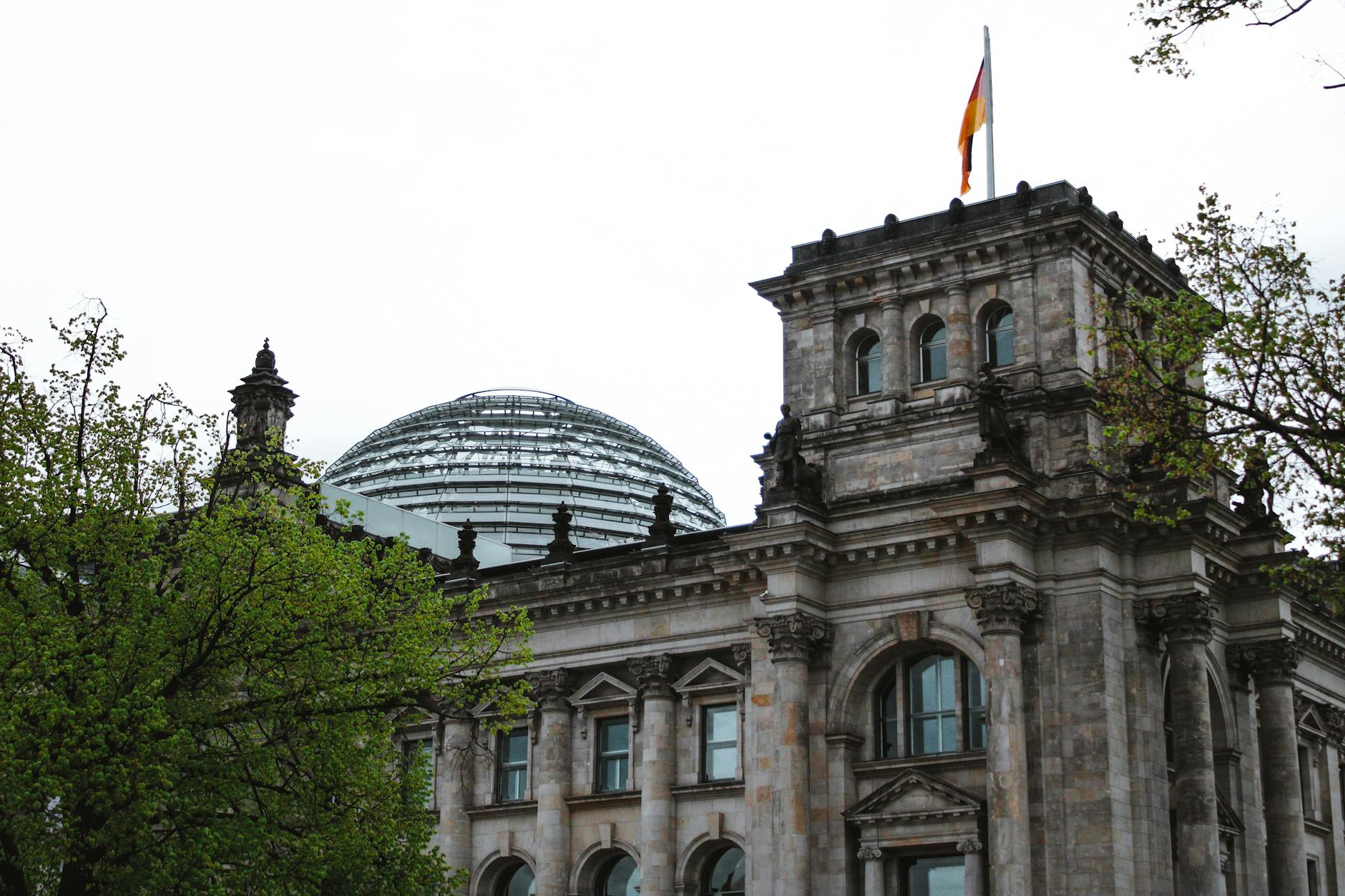
Three days is the sweet spot for a Berlin trip. Long enough to get past the first-impression Mitte tour, short enough that you’ll still feel the energy on day three rather than the fatigue. The itinerary below is built to head off the “I wish we’d known” moments: closures, Monday gaps and lunch stops that are too far from the morning’s sight.
The structure: Day 1 covers historic Mitte and Museum Island; Day 2 threads the Cold War sites across Kreuzberg and Friedrichshain with serious eating built in; Day 3 gives you a choice — west to Charlottenburg, or north to Prenzlauer Berg — depending on whether you want grandeur or neighborhood vibe. Each day starts with one anchor activity, has a deliberate lunch stop tied to walking proximity, and ends at a sunset spot with food and a drink within reach.
Logistics: The Two Hours of Planning That Will Save You Three Days
Book the Reichstag dome at least three weeks before your trip at visite.bundestag.de. Free, but slots disappear fast on summer weekends. The booking window opens three months in advance; if you’re tight, the service centre on Platz der Republik takes same-day registrations at least two hours ahead, if places remain. Bring photo ID.
Pick a ticket strategy. For transit alone, three adult AB 24-hour tickets come to €33.60, and the CityTourCard AB costs €35.60 for 72 hours with some discounts thrown in; choose by the journeys and discounts you’ll actually use. The Berlin WelcomeCard 72h AB at €39.50 gets you the same transit plus 25–50% off at participating attractions. The Museum Pass Berlin, from €32, gives you three consecutive calendar days of admission to 30+ museums and exhibitions including the Museum Island and Berlinische Galerie, but no transit. If you’ll do Museum Island plus two more paid museums, the Museum Pass wins; if you’ll mostly do outdoor history and one big museum, the WelcomeCard wins.
2026 closure to know: Pergamon Museum is closed until June 4, 2027 (Altar wing); other sections closed through the 2030s. Many older guides still list it as a Day 1 anchor — they’re outdated. We swap in the Neues Museum (Nefertiti) and Alte Nationalgalerie below.
Pacing rule: two emotionally heavy sites per day, maximum. After Holocaust Memorial plus Topography of Terror, you’re done. Don’t try to bolt the Jewish Museum on. Save it for Day 2.
Day 1 — Mitte: Reichstag, Brandenburg, Museum Island, Sunset at the TV Tower
8:30 a.m. — Brandenburg Gate. Empty, calm, the morning light is east-facing and the Quadriga horses get their best moment. Spend 10 minutes; the gate doesn’t need more.
9:00 a.m. — Memorial to the Murdered Jews of Europe. Eisenman’s 2,710 stelae, open around the clock, with the underground Information Center (free; Tuesday–Sunday 10:00–18:00, with a security check at the door and sometimes a queue; closed Mondays, so adjust to Day 2 if you’re starting on a Monday). Allow 60–90 minutes including the Information Center.
10:30 a.m. — Reichstag dome, your pre-booked slot (we’ll assume you booked 10:30 or 11:00). 60 minutes inside — the audio guide is excellent and you’ll want time at the top.
12:30 p.m. — Lunch at Gendarmenmarkt. Walk south through Pariser Platz, down Wilhelmstraße, then east to Gendarmenmarkt. Augustiner am Gendarmenmarkt is the reliable Bavarian play — pork knuckle (€24.50), schnitzel (€22.50), half-liter Helles. Lukin’s is the lighter modern alternative two blocks over. After lunch, walk through Bebelplatz (look down for Micha Ullman’s Empty Library under glass) and onto Unter den Linden.
2:00 p.m. — Museum Island. Buy the Bereichskarte day pass (€24) or use your Museum Pass. The 2026 strategy with Pergamon closed: Neues Museum first (Nefertiti’s room is at the heart, allow 90 minutes for the building), then Alte Nationalgalerie (German Romantics from the permanent collection, Friedrich and Menzel among them; 60 minutes). If you have a third hour, the Altes Museum for classical antiquities.
4:30 p.m. — Berliner Dom, where the renovated Hohenzollern crypt reopened on 1 March 2026. The €15 standard ticket covers the cathedral, crypt, museum and audio guide, plus the 270 steps up to the dome walk for an aerial of Museum Island, the Spree, and the TV Tower. Worth the 45 minutes even if you’re churched-out.
7:00 p.m. — Dinner at Hackescher Markt. Walk across the bridge to Hackescher Markt. Hackescher Hof is the all-purpose Berlin brasserie — long menu, mixed crowd, dependably good. Das Lemke (formerly Brauhaus Lemke), under the S-Bahn arches at Dircksenstraße, is the brewery option with a serious schnitzel. Walk south after dinner to Alexanderplatz; the TV Tower at dusk (online tickets from €20; open until 23:00) is your sunset shot if you didn’t get it from the Reichstag. Otherwise, just sit at Lustgarten on a bench and watch the floodlit Berliner Dom.
Day 2 — Cold War, Kreuzberg Eating, and the East Side Gallery at Golden Hour
Day two is the spine day of any Berlin trip — the Cold War narrative anchored by the most important documentation site in the city, threaded through Kreuzberg’s food scene, and finishing at the East Side Gallery, the stretch of Wall covered in murals.
10:00 a.m. — Topography of Terror. Free, daily 10:00–20:00, so be there when the doors open. The outdoor exhibition, beside the roughly 200 meters of Wall that survive along Niederkirchnerstraße, covers Berlin under Nazi rule; the indoor pavilion examines the SS and police institutions and their crimes across Europe, through occupation to the postwar years. Allow 2 hours. This is one of Berlin’s most rigorous institutions; don’t shortchange it.
12:15 p.m. — Checkpoint Charlie (15 minutes, photo only). The site itself is largely reconstructed kitsch. The Mauermuseum across the street (€18.50) is dense, chaotic, and occasionally cluttered, but the escape stories are worth an hour if you’ve got the energy. If you’re saturated, skip it and continue.
1:00 p.m. — Jewish Museum. Daniel Libeskind’s zig-zag building is itself a memorial. The permanent exhibition is free (temporary shows in the Old Building cost €10, reduced €4); allow 2 hours. The Memory Void’s metal-faces floor (Menashe Kadishman’s Shalekhet) is unforgettable. The garden of Exile and the Holocaust Tower are short but devastating.
3:00 p.m. — Late lunch at Mehringdamm. Walk 15 minutes south to Mehringdamm (or take U6 one stop). Curry 36 at Mehringdamm 36 is the currywurst pilgrimage; Mustafa’s Gemüse Kebap, now across the street at Mehringdamm 33, is the vegetable döner with the queue to match. Eat one of each. This is a Berlin rite of passage; our currywurst guide rates the rivals.
4:30 p.m. — Görlitzer Park walk into Kreuzberg. Walk east along Bergmannstraße toward Görlitzer Park. Optional stop at Markthalle Neun on Eisenbahnstraße (open Monday to Saturday; Thursday is Street Food Thursday, 17:00–22:00, a multi-vendor evening where each stall sets its own prices). Continue east to Oberbaumbrücke, the red-brick double-deck bridge.
6:00 p.m. — East Side Gallery, west-to-east at golden hour. Cross Oberbaumbrücke into Friedrichshain. Walk the 1.3 km from the Oberbaumbrücke end toward Ostbahnhof. Dmitri Vrubel’s “My God, Help Me to Survive This Deadly Love,” Birgit Kinder’s Trabant bursting through the Wall, Thierry Noir’s heads. Allow 60 minutes including photos.
8:00 p.m. — Dinner in Friedrichshain. Mr Susan is the modern German choice (book ahead). For something more casual, the RAW Gelände complex on Revaler Straße has a cluster of food carts and pop-ups, plus the indoor Cassiopeia club if you want to bookend the evening with one drink and a sweaty floor.
Day 3 — Choose: West (Charlottenburg) or North (Prenzlauer Berg)
Day 3 is yours to choose. There are two strong options. Pick based on your interests and the day of the week.
Option A: West Berlin Day — Charlottenburg, Ku’damm, Tiergarten
This is the right call if you skew toward classical, want a different city texture from days 1–2, or have someone in the group who’s enthusiastic about shopping. Berlin’s West has a more bourgeois feel — broader streets, older money, less graffiti.
10:00 a.m. — Schloss Charlottenburg. The largest surviving Hohenzollern palace in Berlin, 17th–18th century. €12 main building, €19 combined ticket for the New Wing and gardens. The Baroque gardens are free and large — bring coffee and walk. Allow 2–3 hours total.
1:00 p.m. — Lunch on Savignyplatz. Florian (modern German, French-influenced) is the proper sit-down; the cafes around the square (Café Savigny, or Schwarzes Café on Kantstraße for breakfast; check its website for the current hours) are the casual move.
3:00 p.m. — Kurfürstendamm and KaDeWe. The historic shopping artery; KaDeWe’s 6th-floor food hall is a destination in itself. Read our Ku’damm guide and our department-store comparison for a deeper map.
5:00 p.m. — Gedächtniskirche (Kaiser Wilhelm Memorial Church), the bombed-out 1895 spire next to its 1960s octagonal blue-glass replacement. The interior of the new church glows blue at dusk. Nearby: the Bikinihaus mall with rooftop access via the Monkey Bar at 25hours Hotel Bikini Berlin — sunset cocktail with a panoramic view over the Zoo. Earned.
8:00 p.m. — Dinner at Lubitsch (Bleibtreustraße 47; classic Berlin bistro), or upmarket at Restaurant Tim Raue (2 Michelin stars) if you’ve booked weeks ahead.
Option B: Northern Berlin Day — Prenzlauer Berg, Mauerpark, Kollwitzplatz
This is the right call if it’s a Sunday (Mauerpark flea market and bearpit karaoke are the city’s flagship Sunday events) or if you want the neighborhood-living version of Berlin rather than the monument version.
10:00 a.m. — Brunch in Prenzlauer Berg. Anna Blume (Kollwitzstraße, the famous breakfast-tower brunch), Cafe Liebling, or The Barn Coffee Roasters if you want third-wave coffee without the queue. Long brunches are a Berlin Sunday institution.
12:00 p.m. — Mauerpark (Sundays especially). The Sunday flea market is a long browse — vintage clothes, vinyl, GDR memorabilia, food trucks. In season, Bearpit Karaoke takes over the amphitheater on Sunday afternoons from about 3 p.m., weather permitting; the season’s dates go up on bearpitkaraoke.com. Allow 2–3 hours.
3:00 p.m. — Kollwitzplatz and the Kulturbrauerei. Walk south along Schönhauser Allee. The Kulturbrauerei is a former brewery turned cultural complex with the Museum in the Kulturbrauerei (Everyday Life in the GDR, free entry — and far more useful than the touristy DDR Museum). Kollwitzplatz is the residential heart, named for sculptor Käthe Kollwitz.
5:00 p.m. — Konnopke’s Imbiss under the viaduct on Schönhauser Allee — the legendary currywurst stand since 1930. Two minutes from there: Prater Garten, Berlin’s oldest beer garden, open daily in good weather. Beer, sausage, chestnut trees.
7:30 p.m. — Sunset on a rooftop. Head down to Klunkerkranich in Neukölln (technically Day 3 detour — on the rooftop car park of Neukölln Arcaden, Karl-Marx-Straße 66; entry €3–9 depending on the programme and when you arrive, sunset views west over Tempelhofer Feld). Dinner after at Sing Blackbird in Neukölln or vegan Yoyo Foodworld.
Day-of-the-Week Adjustments
Berlin’s institutions don’t share a calendar, and three-day visitors often realize too late that they’ve planned a museum day for a Monday. Quick reference:
Monday closures: Most major museums (Neues, Alte Nationalgalerie, Berlinische Galerie, Hamburger Bahnhof, Jewish Museum). If Day 1 falls on Monday, swap Day 1 and Day 2 — Topography of Terror, Reichstag, East Side Gallery, and Berliner Dom are all open.
Tuesday: Turkish Market on Maybachufer (Kreuzberg/Neukölln border) operates Tuesday and Friday 11:00–18:30 — slot it into Day 2 if you can. See our Turkish market guide.
Thursday: Markthalle Neun runs Street Food Thursday, 17:00–22:00 — the right call for Day 2 dinner.
Sunday: Shops are closed by law (exceptions: Hauptbahnhof, Friedrichstraße station, airport). Mauerpark flea + bearpit karaoke is the day’s anchor — Day 3 Option B becomes mandatory.
Sunset Spots, Picked for You
Each evening should end with a deliberate sunset moment. Mine are: Day 1 from the TV Tower’s revolving Sphere or a bench in the Lustgarten. Day 2 at Oberbaumbrücke (after East Side Gallery, before dinner). Day 3 Option A at Monkey Bar at 25hours Bikini; Option B at Klunkerkranich. Look up the sunset time for your dates on timeanddate.com: it falls around 19:54 on 1 September, and close to 16:00 through December.
What to Add If You Have More Time
The honest case for a fourth or fifth day: you’ll want a day trip and a slow neighborhood day. Our five-day itinerary adds Potsdam (S7 to Sanssouci) and a deliberate “rest day” anchored in Tempelhofer Feld and a single neighborhood deep dive. Our seven-day plan threads in Sachsenhausen and a long art day at Hamburger Bahnhof. Coming from a special interest? See our themed itineraries: history-focused, art and culture, and food and nightlife.
Three Things Most Three-Day Itineraries Get Wrong
First, they put museum-heavy Day 2 right after museum-heavy Day 1, and visitors collapse by 4 p.m. Spacing Topography of Terror and Jewish Museum across separate days is critical. Second, they ignore proximity for lunch — the writer recommends a restaurant 40 minutes from the morning sight, and your group fades on the U-Bahn ride. Third, they treat Day 3 as a “loose day” with no anchor, which becomes the trip’s worst day. Don’t do that. Pick Option A or B above and commit.
The point of three days isn’t to “see Berlin.” That can’t be done. The point is to leave with three distinct experiential layers — historic, post-war, neighborhood — and a clear sense of which one you want to come back for. Most visitors who do this three-day route come back for the neighborhood layer. Many come back specifically for an autumn weekend or a Christmas market week. If you’re already thinking about return timing, our best time to visit guide is the next stop.