If you walk south from S-Bahn Warschauer Strasse for five minutes you arrive at one of the most concentrated alternative-culture compounds in Europe: a 51,000-square-metre former railway repair works on Revaler Strasse where a dozen clubs, an art gallery, a climbing wall, a skate hall, a Hungarian ruin pub, a swimming pool, a flea market, and the largest urban art mural wall in Berlin are all packed into the surviving brick halls of an 1867 Prussian railway facility. This is RAW Gelände, and it’s one of those places that feels like the rest of Berlin was reverse-engineered from it: alternative, contested, scruffy, beautiful, perpetually about to be redeveloped. As of 2026 the master plan that will determine its future is delayed into 2027 and the venues inside have publicly said they don’t know what 2030 looks like. This is the guide to visiting now, while the geography still looks like this.
One quick orientation note before we go in. The site is bordered by Warschauer Strasse to the west, Revaler Strasse to the south, and the S-Bahn tracks to the north. You can enter from any of the four corners. The outdoor areas are 24/7 semi-public, free to walk through, and have no admission gates. Most individual clubs are night-only and charge cover. Several daytime venues (the climbing wall, the skate hall, MAAYA in summer, the Sunday flea market) charge their own fees. There’s no overall fee for the compound itself.
What Is RAW Gelände?
RAW stands for Reichsbahnausbesserungswerk — “Imperial Railway Repair Works” — the German railway facility built on the site in the late nineteenth century. The land was originally founded in 1867 as the Royal Prussian Railway Workshop II, serving the Prussian Eastern Railway that ran east towards Königsberg and Riga. The repair works operated as the area’s main employer for more than 120 years, surviving both world wars, the partition of the city in 1945, and four decades of Cold War service under the East German Deutsche Reichsbahn. It was decommissioned in the mid-1990s after reunification rendered the East-side rail infrastructure redundant.
The buildings sat largely empty until 1999, when the RAW-Tempel collective began organising cultural use of the site under temporary leasing arrangements with the city. Over the next two decades the compound filled up with clubs, galleries, skate facilities, climbing infrastructure, food trucks, and a constantly evolving roster of small enterprises. By the late 2010s, RAW had become the densest concentration of nightlife and alternative culture in Berlin — and the most photographed street art location in the city.
In 2019 the site was sold to the Kurth Immobilien Group under Lauritz Kurth. Since then, the site’s future has been the subject of an ongoing planning process between the new owner, the Friedrichshain-Kreuzberg district authority, and the cultural collectives. The current master plan proposes up to 100,000 m² of new mixed-use buildings on the site, with 28,000 m² of open space, designed by Atelier Loidl. A specific “Socio-Cultural Property Area” (SKL) is earmarked for a 30-year lease to a public umbrella organisation, with the cultural collectives continuing under that umbrella. Approval is now expected in 2026 — delayed from the original 2025 target — and the development risks shifting toward residential use, which would create unavoidable conflicts with the existing clubs’ noise levels. Several of the venues, including Cassiopeia, Crack Bellmer, and Der Weiße Hase, have publicly stated they don’t yet know whether they will survive the redevelopment. The Cassiopeia team put it directly: “If we fail to successfully complete this process, we will lose a place that could never be recreated in the same way again in Berlin.”
All of which means: visit RAW Gelände now. The site as it currently exists is the result of a thirty-year squat-to-cultural-zone trajectory that is unlikely to survive another decade unchanged.
The Major Venues
Astra Kulturhaus
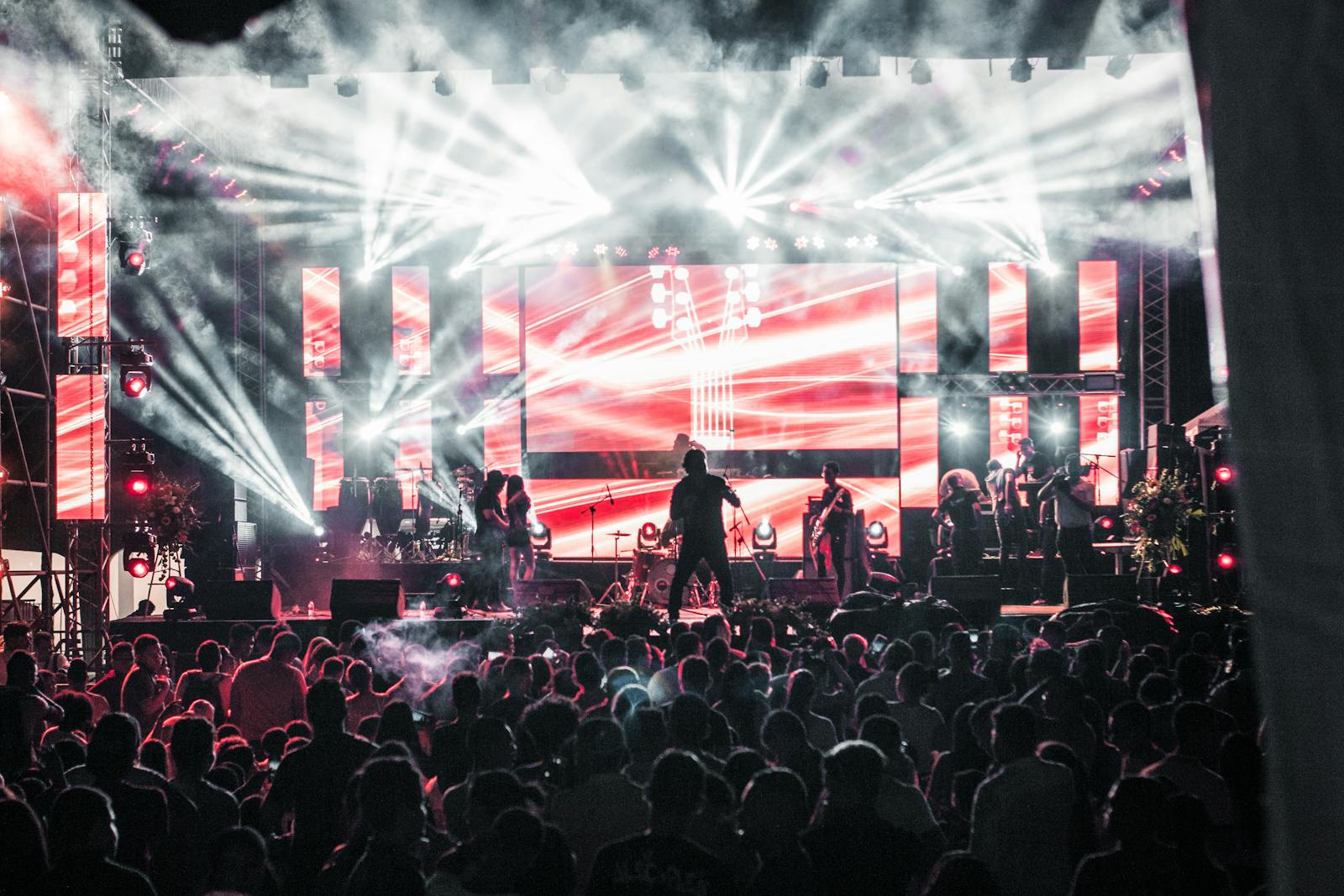
Revaler Strasse 99 · Capacity ~1,500. The largest concert venue on the site. A former Deutsche Reichsbahn cultural hall, opened as a club in April 2009. Programming is broad — metal, hip-hop, electronic live acts, indie touring shows, occasional comedy. The Astra is the proper concert hall of the compound and is where most of the bigger ticketed live music happens.
Cassiopeia
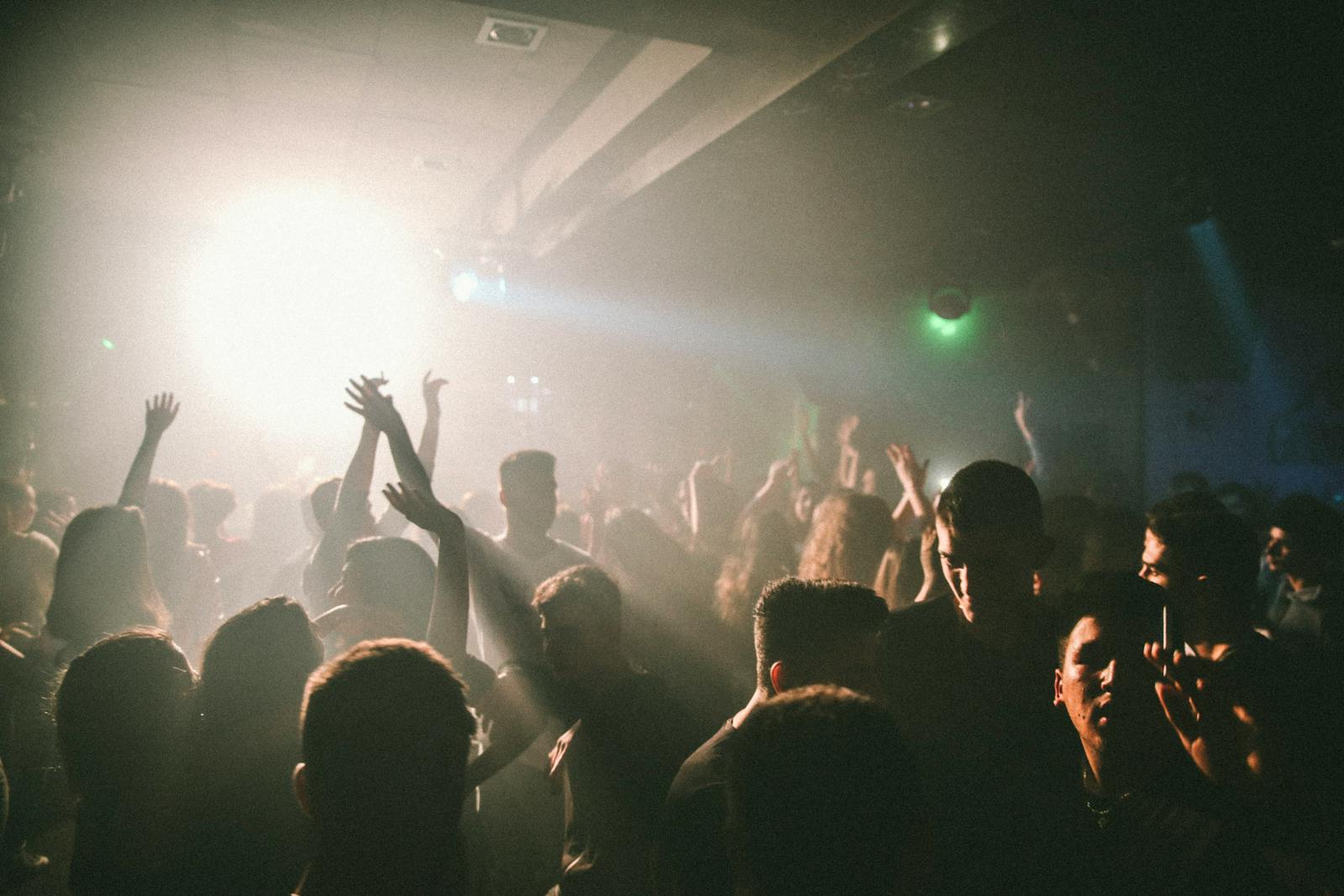
Revaler Strasse 99 · Three floors plus Sommergarten beer garden. The original RAW venue and still its cultural heart. Three indoor floors with different sound systems and genres — live concerts, drum and bass, techno, indie, hip-hop on rotating nights — plus a small indoor climbing wall and the Sommergarten beer garden in summer. The door is among the easiest on the site; the programming is consistently strong. New Year’s Eve 2026 is already booked through the site’s official calendar. Cassiopeia’s continued existence post-redevelopment is one of the open questions.
Urban Spree
Revaler Strasse 99 · 1,700 m² gallery + 400 m² exhibition + beer garden. The contemporary art and street art centre of the compound. Rotating exhibitions, performance space, a permanent shop, and the 15 × 8-metre Artist Wall facing Warschauer Strasse that’s been overpainted by major street artists every few months for years. The Urban Spree beer garden is open during exhibitions and the courtyard is one of the most photographed spots in Berlin street art.
Lokschuppen (formerly Suicide Circus)
Revaler Strasse 99. The trance and harder-techno club, rebranded from Suicide Circus on January 1, 2024 — same venue, same programming, friendlier name. Open-air courtyard in summer, indoor floors year-round. One of the easier doors among the techno venues on the site.
Der Weiße Hase
Revaler Strasse 99. The harder, smaller techno club in a raw concrete room. Around twenty staff, devoted following, weekend programming. Future after redevelopment uncertain — Der Weiße Hase issued a public statement in early 2026 alongside Cassiopeia and Crack Bellmer.
Crack Bellmer
Revaler Strasse 99. A small indie and electronic club with a noticeably inclusive atmosphere — runs daytime and night programming, hosts community-oriented events, and is one of the easier-door places to start a RAW evening.
Badehaus (Szimpla)
Revaler Strasse 99. Inside the former Reichsbahn workers’ bathhouse, now run as a sister venue to Budapest’s famous Szimpla ruin pub. Live jazz, jam sessions, world music, and the eclectic ruin-pub aesthetic that gave Budapest’s nightlife scene its global reputation. Not a techno club despite the address.
MAAYA Berlin (formerly Haubentaucher)
Revaler Strasse 99. The outdoor swimming pool venue — 240 m² heated pool with a sun deck — rebranded in 2025 from Haubentaucher to MAAYA Berlin, with a new positioning as an African and Afro-Diasporic cultural centre. Daytime workshops, talks, and concerts plus evening DJ events. Open seasonally. The pool is one of Berlin’s few outdoor swimming options inside a club compound; the new programming has refocused the space politically.
Zum Schmutzigen Hobby
Revaler Strasse 99. A queer drag bar inside the compound — KlumBum Thursdays and rotating drag programming. The Friedrichshain queer scene’s RAW outpost.
Daytime at RAW
Most of RAW’s reputation centres on the nightclubs but the compound is at its most photogenic during the day, and there are several reasons to visit when the clubs are closed.
Der Kegel — The Climbing Cone
Revaler Strasse 99. The 18-metre WWII-era concrete bunker — yes, RAW has its own surviving WWII bunker — was converted in the 2010s into one of the most distinctive climbing facilities in Germany. The exterior is wrapped in climbing routes that take you up the full 18-metre vertical cone, and the interior houses 700 m² of indoor bouldering, a café, mini-cinema, outdoor bar, and skate shop. Designed by Paul Zombeck. Open daily; day passes around €15–€18.
(Note: many guides confuse Der Kegel with Magic Mountain, which is a separate climbing facility near Gesundbrunnen. Der Kegel is the one at RAW.)
Skatehalle Berlin
Revaler Strasse 99. Run as a non-profit by Skate RAW gGmbH since 2020. Germany’s largest indoor halfpipe inside a 1,600 m² hall, plus 1,200 m² of street-style outdoor section. Café, mini-cinema, skate shop. Open to the public; lessons available. Even non-skaters can come watch.
Sunday Flea Market
One of the better flea markets in the city. Vintage clothing, second-hand books, vinyl records, antiques, and the kind of curated junk that Berlin Sunday flea markets do better than anywhere else. Outdoor in summer, partially indoor in winter. Runs Sundays from around 10:00.
Street Art
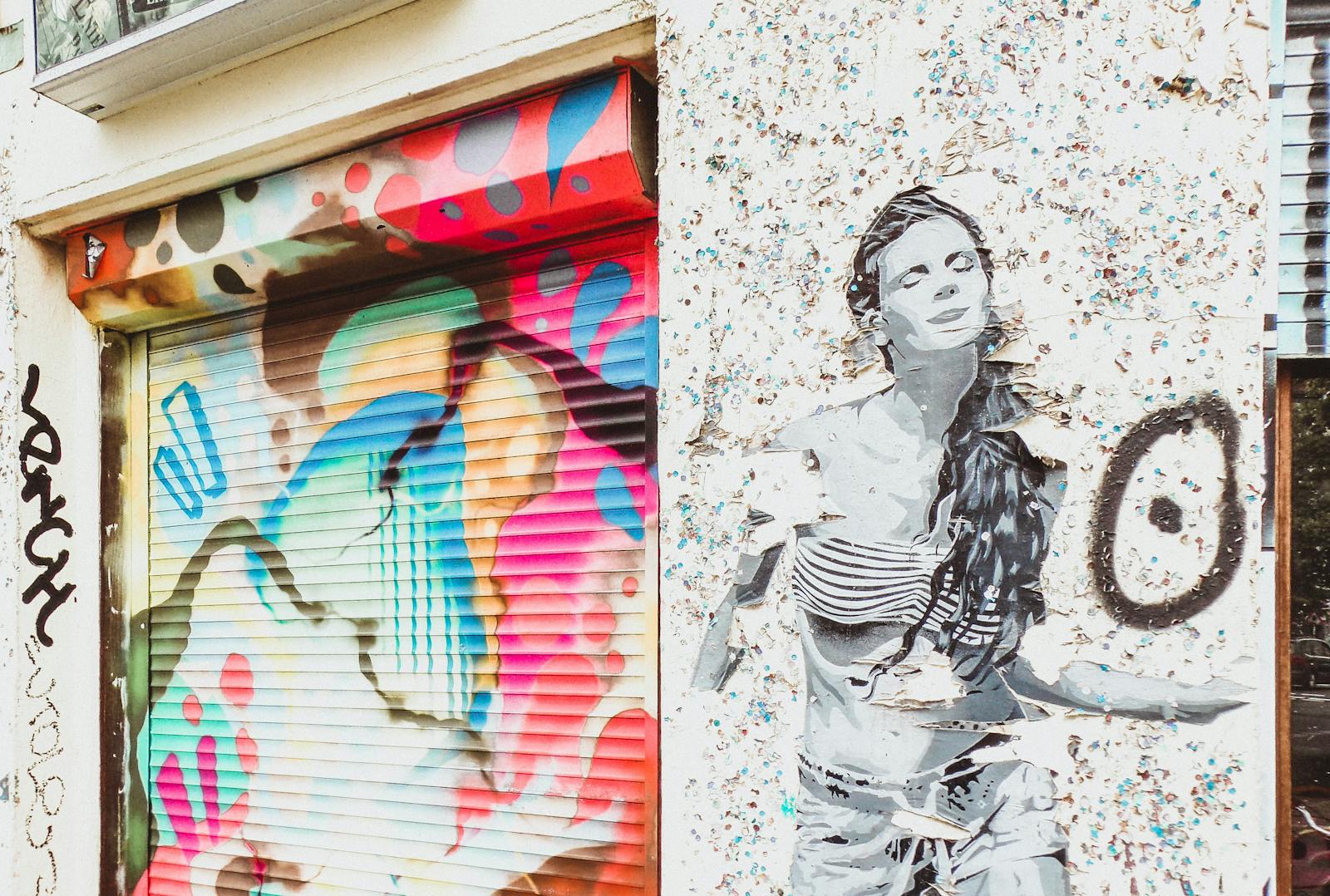
RAW is one of the densest street-art locations in Berlin. Murals cover most of the brick walls of the compound and rotate over time as artists overpaint each other. The Urban Spree Artist Wall (facing Warschauer Strasse) is the most curated and changes every few months; the surrounding walls are open canvas for the broader Berlin scene. Free, 24/7, photo-friendly. Some local guides run dedicated RAW street art tours.
Nightlife by Day of the Week
- Monday/Tuesday: mostly quiet. Cassiopeia and Astra occasionally run weekday concerts; Crack Bellmer sometimes opens. Use as exploration days.
- Wednesday: Astra concert nights; Cassiopeia occasional.
- Thursday: Zum Schmutzigen Hobby drag (KlumBum); Crack Bellmer indie nights.
- Friday: full programme — Astra, Cassiopeia, Lokschuppen, Der Weiße Hase, Crack Bellmer all running. Peak around 02:00.
- Saturday: the big night. All venues running.
- Sunday: some venues run daytime; Cassiopeia Sommergarten is excellent in warm weather. The flea market by day.
Practical Info
- Transport: S+U Warschauer Strasse (S3, S5, S7, S9, U1, U3 from late 2026). Five-minute walk south on Warschauer Strasse to Revaler Strasse.
- Access: outdoor areas free, 24/7. Most clubs €10–€20 at the door. Cash preferred at most venues; some accept card. Der Kegel and Skatehalle have their own fee structures.
- Safety: generally fine. Some drug-related street activity, particularly late at night near the eastern entrances. Use awareness, travel in pairs after 03:00, keep valuables in your pockets, watch for opportunist pickpockets at peak times. Standard Berlin city-centre awareness.
- Photography: street art encouraged, including with people. Club interiors no.
- Toilets: available inside venues; €0.50 in the open compound at some places.
- Food: food trucks rotating in the open areas (vegan pizza, Korean BBQ, falafel, doner), plus restaurants on Simon-Dach-Strasse five minutes away.
- What to wear: dark, comfortable, weather-appropriate. The compound is outdoor-heavy and Berlin nights are cold even in summer.
Around RAW — The Wider Friedrichshain Party District
RAW sits inside the broader Friedrichshain party district, and a complete evening is rarely confined to the compound alone.
- Simon-Dach-Strasse — the pub strip running east from the south side of RAW. Casual bars, restaurants, pre-game spots. Eclectic but tourist-heavy.
- Boxhagener Platz (Boxi) — the leafy square at the heart of the residential Boxhagener Kiez, three minutes east. Sunday flea market and farmers’ market.
- Warschauer Brücke / Oberbaumbrücke — five-minute walk west to the iconic double-decker bridge across the Spree into Kreuzberg.
- East Side Gallery — five-minute walk west along Mühlenstrasse. 1.3 km of painted Berlin Wall section. See our East Side Gallery guide.
- YAAM — at An der Schillingbrücke 3, ten minutes north on foot. Spree-side reggae and afrobeat venue, currently under tenancy pressure.
- Berghain — ten minutes north on foot. See our Berghain guide.
A Suggested First Visit
If you’ve never been and want to see what RAW does best in a single afternoon-into-evening, this is the route I’d take.
- 14:00 — Arrive at S+U Warschauer Strasse. Walk south five minutes along Warschauer Strasse to Revaler Strasse. Enter the compound from the western gate.
- 14:15 — Urban Spree gallery and the Artist Wall. Spend half an hour with whatever the current exhibition is, plus the rotating mural. Free if no special show, otherwise a small fee.
- 15:00 — Coffee or beer at Cassiopeia Sommergarten. The outdoor beer garden behind Cassiopeia opens early afternoon. Watch the skaters at the adjacent Skatehalle from the outdoor terrace.
- 16:00 — Der Kegel climbing cone, even if you don’t climb. The exterior of the 18-metre bunker covered in colour-coded climbing routes is one of the more photogenic spots in Berlin. Climbers always around.
- 17:00 — Street art walk. Spend an hour wandering the inner courtyards looking at murals. The Artist Wall facing Warschauer is the curated one; the rest is open canvas.
- 18:30 — Dinner. Food trucks in the compound, or walk five minutes to Simon-Dach-Strasse for cheap restaurant options.
- 20:00 — Live music or early concert at Astra Kulturhaus, if there’s a show that night. Check Resident Advisor for the date.
- 23:00 — Stick around for the clubs. Lokschuppen for trance and harder techno, Cassiopeia for multi-genre, Der Weiße Hase for the smaller harder techno room. Crack Bellmer if you want easier door.
Total time: from a four-hour afternoon to a fourteen-hour day-into-night, depending on how committed you are.
The Cultural Politics — Why RAW Matters
One reason this guide leans heavily on the development crisis is that the RAW story is, in microcosm, the story of every contested cultural space in contemporary Berlin. The fight is between three forces. The first is the Kurth ownership, which has both legal title and economic logic on its side — office space and residential property both yield more than alternative-culture leases at current market rents. The second is the Friedrichshain-Kreuzberg district authority, which has cultural-protection obligations on paper but limited leverage in practice. The third is the cultural collectives themselves, who have proven over thirty years that they can build something more valuable culturally than the property’s commercial use would yield, but who don’t have ownership of the land.
The proposed solution — a 30-year lease to a public umbrella organisation, with the cultural collectives operating beneath it — is the most ambitious attempt yet by the city to protect alternative space from gentrification. If it works at RAW, it could become a template for other contested sites (OXI, OST, the eastern Spree industrial zones, several other cultural compounds). If it fails, RAW will redevelop along ordinary commercial lines and the experiment will have demonstrated that even the most beloved cultural site in the city couldn’t be protected.
Whatever the outcome, the version of RAW you visit in 2026 is a snapshot in a longer story. Engage with it accordingly. Buy a record at Urban Spree. Tip the bartender at Cassiopeia. Go on the Sunday morning the flea market is open and the Sommergarten is full. The site is at its best when it’s full of people who are paying attention.
Frequently Asked Questions
What is RAW Gelände?
A former Imperial Railway Repair Works (1867–mid-1990s) on Revaler Strasse in Friedrichshain, now Berlin’s most concentrated alternative culture compound. Roughly five hectares of clubs, galleries, climbing wall, skate hall, swimming pool, and Berlin’s densest single concentration of street art.
Is RAW Gelände safe?
Generally yes by day and early evening. Some drug-related street activity at night, particularly near the entrances. Standard Berlin city-centre awareness applies — travel in pairs after 03:00, keep valuables in pockets, stay in lit areas if possible.
What are the best clubs at RAW?
Cassiopeia (multi-genre, beer garden, easy door), Lokschuppen (trance and harder techno, formerly Suicide Circus), Der Weiße Hase (smaller harder techno), Astra Kulturhaus (large concerts), Crack Bellmer (indie/electronic), MAAYA (Afro-diasporic programming in summer), Urban Spree (gallery and events).
What time do RAW clubs open?
Most clubs open 23:00–00:00 Friday and Saturday. Cassiopeia Sommergarten and Urban Spree beer garden are open from late afternoon. Peak inside the clubs is 02:00–05:00. Several run until noon Sunday.
Is RAW Gelände free to enter?
Yes — the outdoor compound is free and 24/7 accessible (it’s semi-public). You only pay for individual venues, events, food, or activities (climbing wall, skate hall).
Can you visit RAW during the day?
Yes, and you should. Sunday flea market is one of the best in Berlin, Der Kegel offers climbing, the Skatehalle is open to the public, the street art is everywhere, food trucks run from afternoon, and MAAYA’s pool is open in summer.
Is RAW Gelände’s future certain?
No. The site was sold to Kurth Immobilien Group in 2019 and is in the middle of a master-planning process that will determine how it’s redeveloped. Approval is now expected in 2026 (delayed from 2025). Several cultural collectives have publicly stated they don’t yet know whether they will survive the redevelopment.
Final Word
RAW Gelände is one of the last unrenovated alternative cultural compounds in central Berlin. It’s contested, it’s contested cleverly, and the people who run the venues inside it have been fighting for its character through a decade of planning processes. The current version of the site is the product of that fight. Whether the next version retains the cultural function — or becomes another mixed-use redevelopment with token references to the past — is being decided in district government meetings in 2026 and 2027.
The best response, as a visitor, is to go. Buy a beer at Cassiopeia Sommergarten on a Sunday afternoon, climb Der Kegel, walk the street art, see a concert at Astra, dance at Lokschuppen until dawn, and leave knowing exactly what’s at stake. For wider Berlin nightlife context, see our Berlin nightlife guide, best techno clubs, nightlife for first-timers, and LGBTQ+ nightlife. For the area’s wider history including the East Side Gallery five minutes away, our East Side Gallery guide picks up the story.